









Softening the blow from hard water
Softening your water is a simple and effective way to save households money and resolve many common problems caused by limescale. If you have hard water, then you have limescale. Depending on the hardness of your water will determine the severity of your problems and the added expense it causes. In this post, we will highlight five ways a water softener will prevent the damage hard water has on your home and your wallet.
1. Protects appliances and boilers from untimely repairs or replacements
Limescale buildup is the main culprit for appliances and boilers succumbing to untimely repairs or replacements. Over time, scale builds up around the internal components, and as you cannot always see this accumulate, you may be unaware of the potential problems. Eventually, the components will become so encrusted that they will fail. Supplying your appliances, kettle and boiler with softened water will prolong their lifespan, saving you money on unexpected repairs and replacements.
2. No limescale, no deep cleaning, no descaling, lower monthly costs
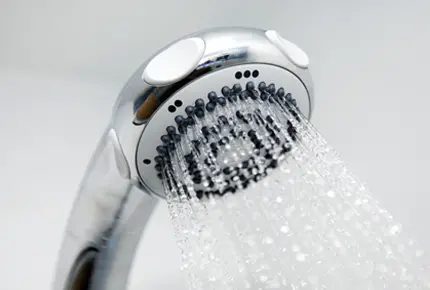
Homeowners who battle the constant bombardment from limescale will spend considerable amounts each month on abrasive cleaners and descalers. Unfortunately, if left untreated, the problems only worsen. The visible effects will be increasingly evident in your bathroom and kitchen, including blocked shower heads and crusty tabs. Using a water softener to remove these issues will save you every month as you no longer need to purchase descalers, limescale cleaners or salt for your dishwasher.
3. Water softeners improve the efficiency of your home
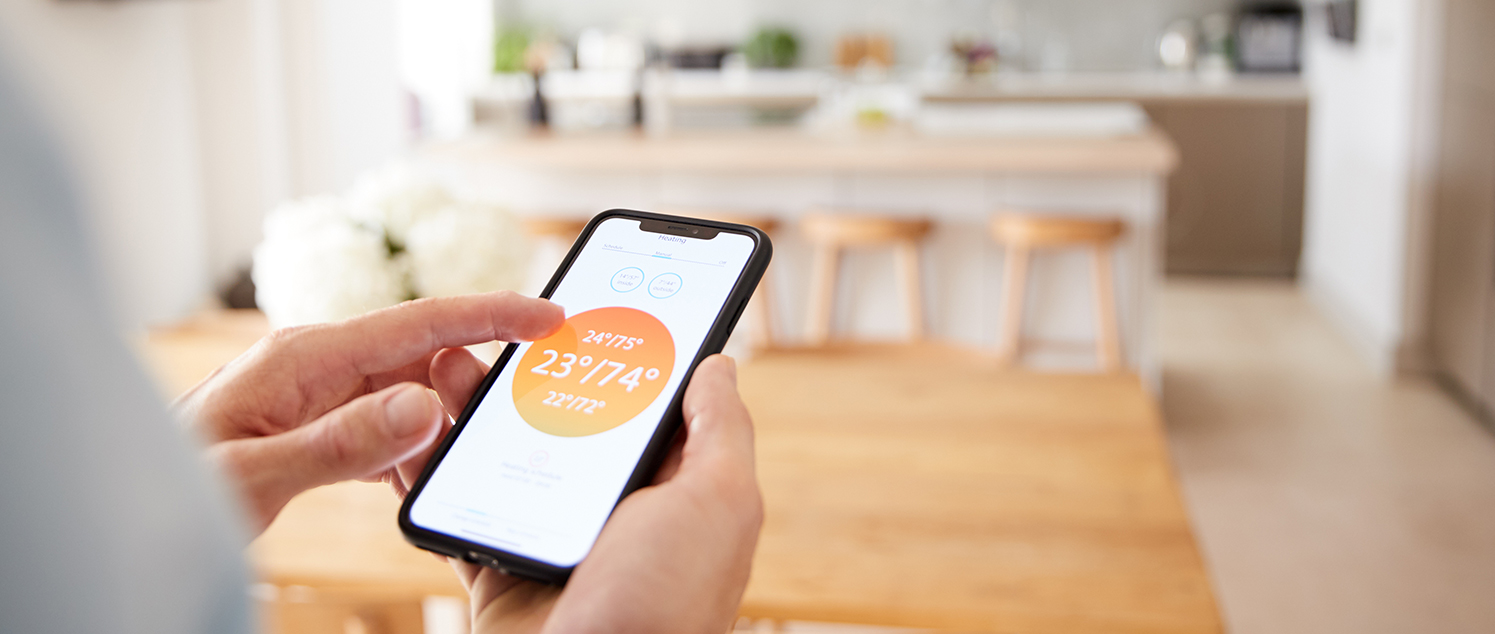
The efficiency of any appliance or boiler is directly associated with how quickly it can heat water. When water is heated, and if you live in a hard water area, limescale can build up around the heating elements. As the scale gets thicker, the heating elements must work harder, consuming more energy to heat the water and costing you more. With a water softener supplying your appliances and boiler with softened water, your appliances will be free from limescale. This allows them to perform at their best and saves you money on your energy bills.
4. Use less, save more with softened water
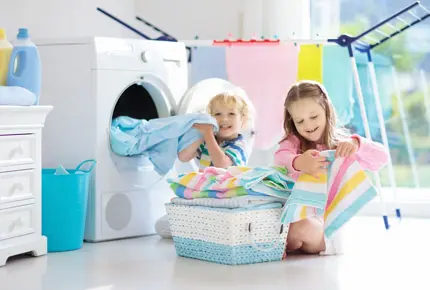
With softened water, detergents, soaps and shampoos lather better, meaning you use less product when bathing, showering, washing clothes or cleaning dishes. The reason for this is that the minerals that were in hard water have been removed. Normally, if you use hard water with these products, the minerals in the water bind with the soaps or detergents to form scum, which impairs it from creating sufficient lather, making you use more products, and costing you more to replenish them.
5. Free your plumbing and pipework from limescale blockages
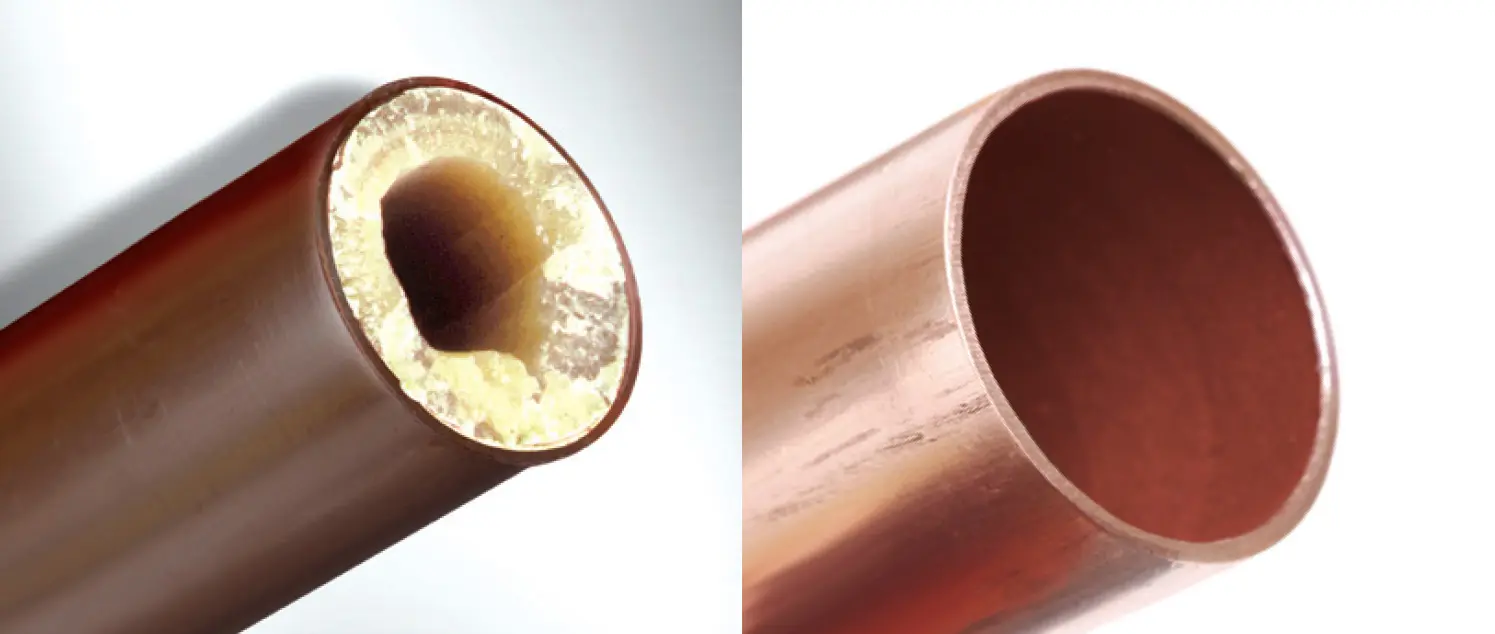
The speed at which the water travels through the pipes impacts radiators heating your home efficiently and the overall water pressure supplied to showers and taps. Over time, the limescale buildup narrows the diameter of the pipe, reducing the amount of water flow. A water softener not only prevents the scale building up in the pipes but will also gradually remove the buildup that is present, improving efficiency and reducing costly repairs due to blockages.
In summary, investing in a water softener has many ongoing financial benefits, ranging from extending the lifespan of appliances to lowering energy use and cleaning supply costs. You’ll be able to enjoy the luxury of a sparkling home with less cleaning while saving you money as well.
To find out about even more benefits that a water softener offers, take a look at the below links: