










MADE EXCLUSIVELY FOR UK HOMES
At Infinity, we have over 40 years of experience providing thousands of families around the UK with wonderfully soft water. This passion to build long-lasting, energy-efficient water softeners has gained us an excellent reputation. We are proud of our high-performance valve that produces exceptional flow rates. Customers particularly like our pioneering twin-tank system, which guarantees soft water all the time. And the innovative non-electric technology ensures running costs are kept low.
Built to last. Better by Design
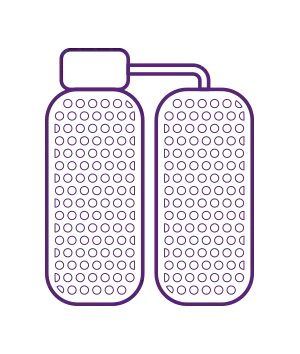
Pioneering twin-tank
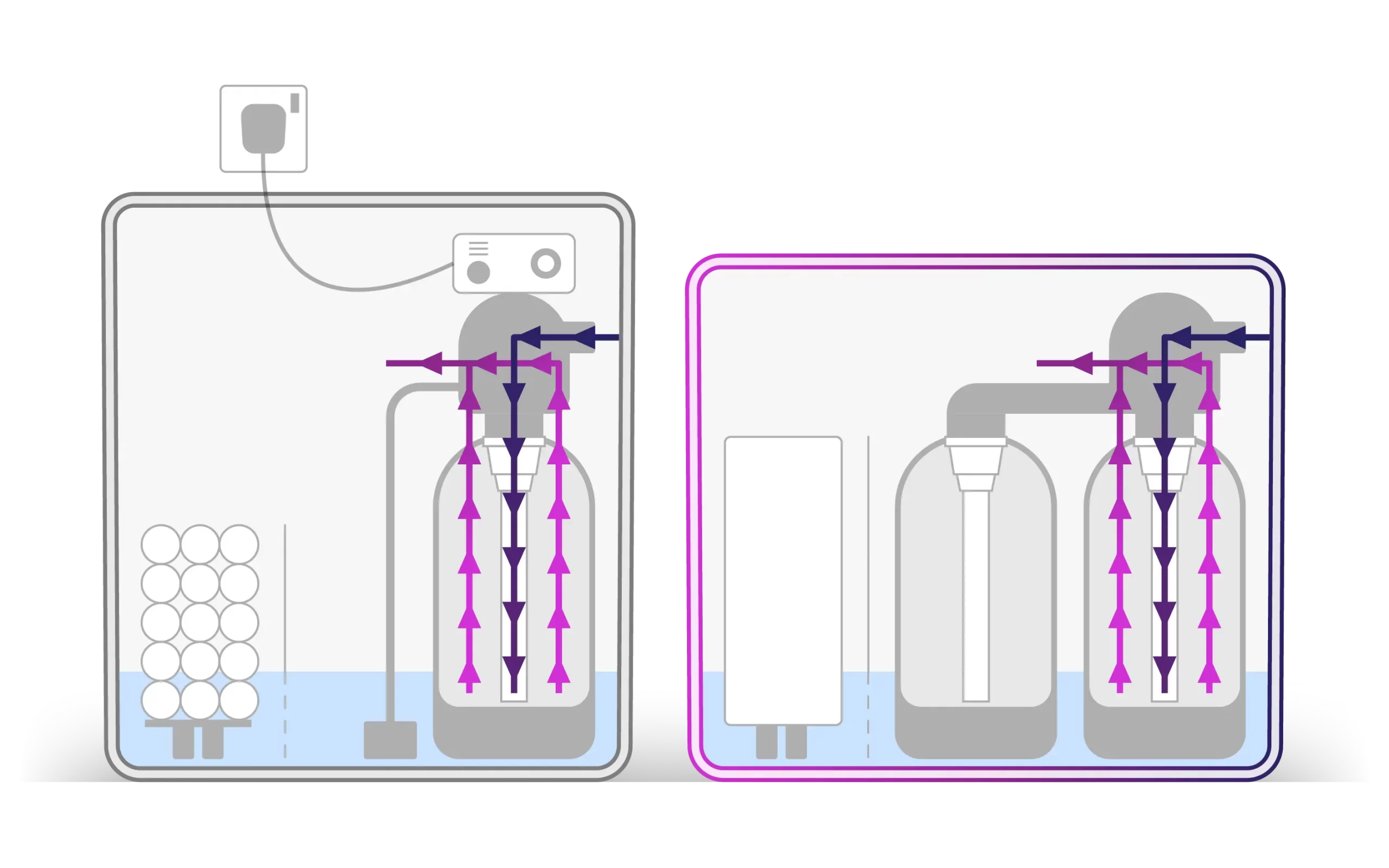
Unlike most water softeners, an Infinity has two tanks, which guarantees soft water all the time. When one tank is softening your water, the other is on standby or regenerating.

Non-electric technology
It benefits from greater reliability and lower running costs. No mains power supply is required or electronic timers to program. It is powered by the kinetic energy of water which is better for the environment.

High-performance valve
Our pioneering control valve delivers exceptional flow rates and is designed to cope with the most demanding household requirements.

'Soft Rinse' function
Unlike other water softeners, an Infinity includes a ‘soft water rinse’ function. This extra rinse of the resin tanks ensures no brine solution enters your household water supply and prolongs the resin’s effectiveness.
Why are two tanks better than one?
Most water softeners have only one tank connected to a computerised or mechanical timer. The timer controls when the regeneration process takes place, usually at night. Water softeners with two tanks are more efficient because they regenerate when needed – not when the timer dictates. Installing a two-tank water softener is the only way to guarantee an uninterrupted supply of soft water.
Discover the water softener that fits your needs
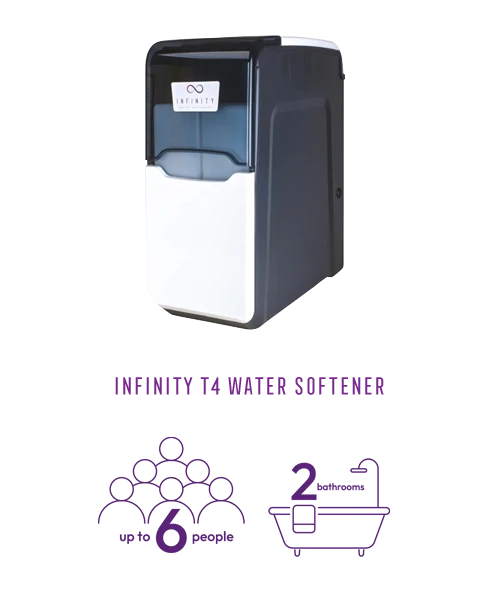
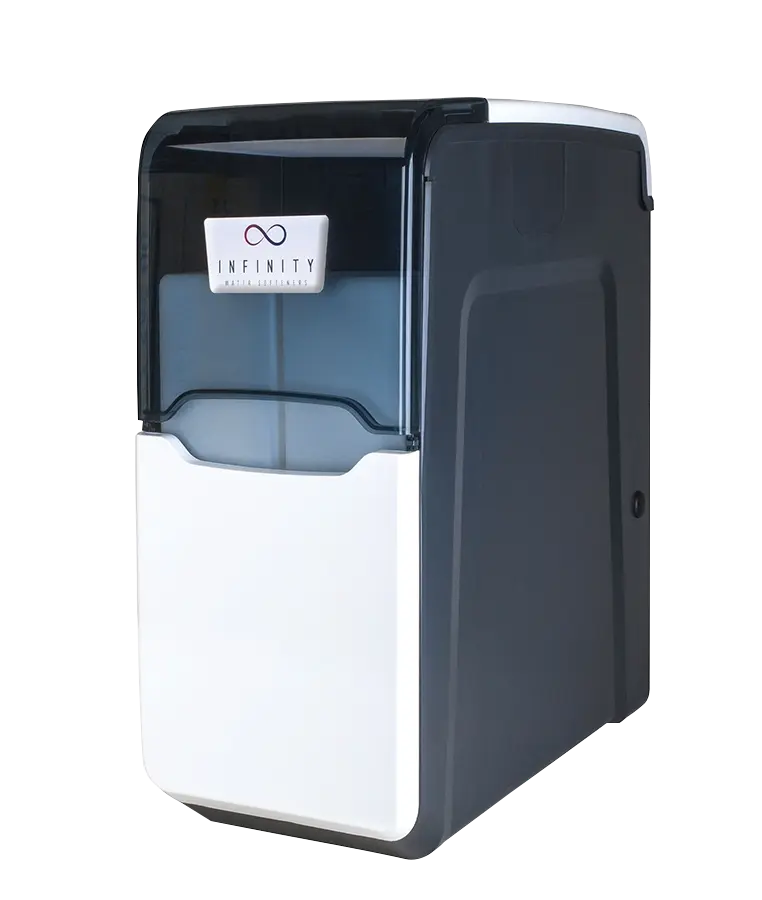
Our most popular water softener fits neatly under a kitchen sink and delivers exceptional flow rates.
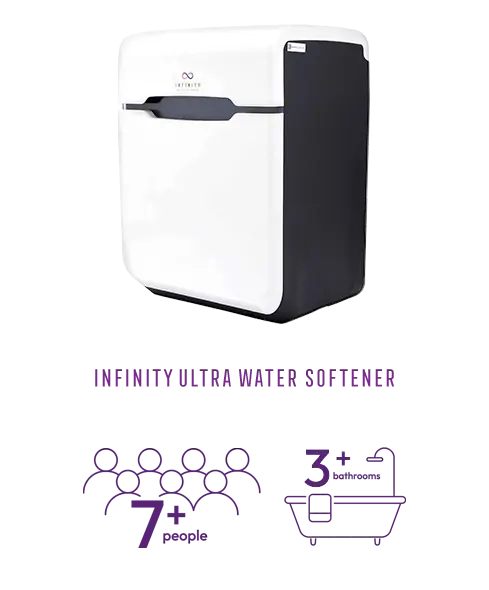
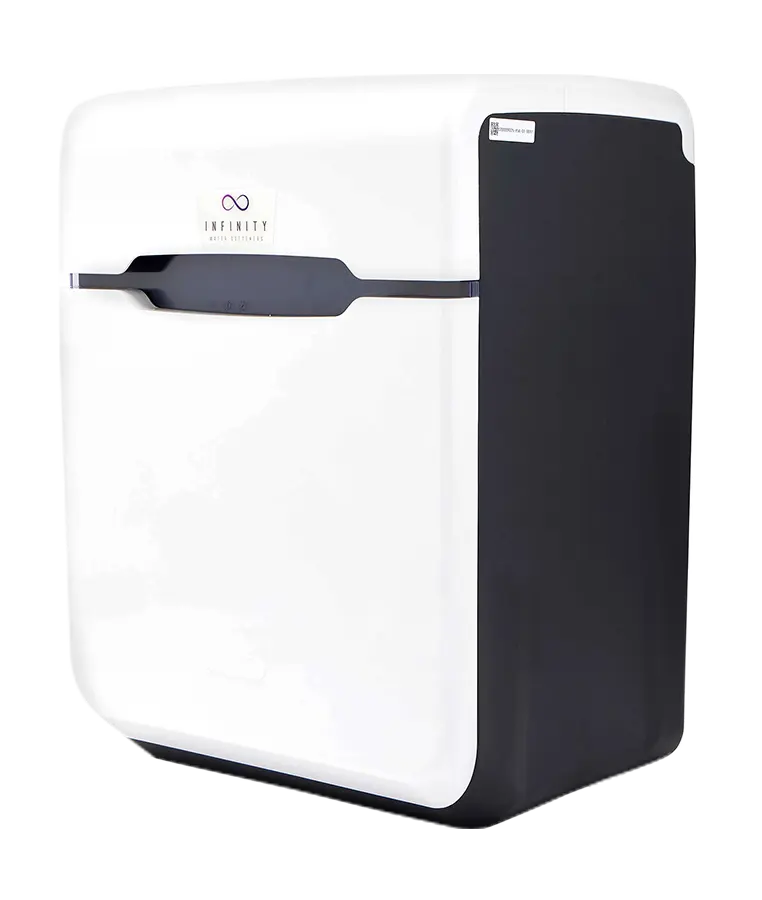
A powerful water softener designed for large houses with more than 3 bathrooms.
Here’s how you and your home will benefit from soft water
- Enjoy a limescale free home
- Appliances last longer – no scale in your kettle
- Save over £400 a year on household & energy bills
- Use less laundry detergent & cleaning products
- Kinder to skin and hair
- More sustainable living
- Relieves eczema and other skin conditions
- Better-tasting tea and coffee
- Laundry is softer and brighter
Customer Reviews
FAQs
Does a water softener reduce the water pressure in my home?
A water softener will have a minimal effect on the water pressure.
Do I need a separate drinking water tap when installing water softener?
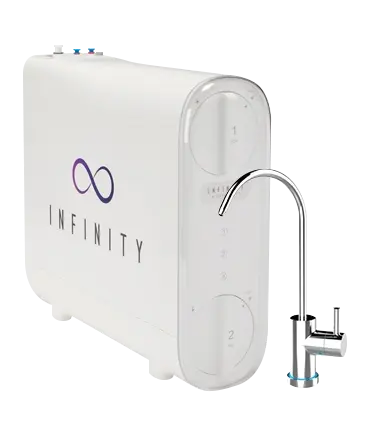
There are no legal or health requirements to install a separate hard water tap. However, in exceptionally hard water areas – levels above 400mgl – it is recommended to have a separate hard water tap with a drinking water filter. It is safe for most people to drink softened water. The exceptions are infants and people who have been prescribed a low-sodium diet.
Can I put softened water in my central heating system?
Yes. British Standard BS 7593:2006 allows systems to be filled with softened water, providing an added inhibitor.
Where is a water softener usually installed?
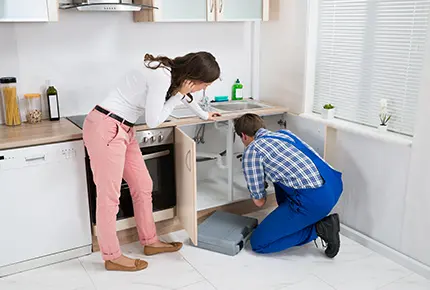
It is normally installed where the mains water supply enters the property. This is usually in the kitchen cupboard under a sink by the stopcock.
Does a water softener need regular servicing?
Just like your central heating system or car, a water softener will also benefit from regular servicing. The UK Water Treatment Association recommends regular maintenance inspections by a qualified engineer to optimise the performance and longevity of a water softener.
Will fitting a water softener help my eczema?
In most cases it will. Research undertaken by the University of Sheffield and King’s College London found that softened water reduces the harmful effects of surfactants, potentially decreasing the risk of developing eczema.
Is it OK to drink softened water?
YES, although there are a few exceptions. For most people, it comes down to whether or not you like the taste of softened water. Softened water contains a small amount of sodium due to the water-softening process. To put this into context, there is more sodium in a glass of milk or slice of bread.
There are a few exceptions.
If you live in a VERY HARD water area. In areas where water hardness levels are more than 400ppm, then a separate water mains tap should be installed.
Babies aged less than 6 weeks. The NHS recommends that the sodium limit should not exceed 200 mg per litre when preparing formula for babies.
People on low sodium diets. Individuals on a prescribed low-sodium diet should not drink softened water due to the increased sodium levels.
Is it ok to use softened water in my dishwasher?
Yes. Most dishwashers have a small built-in water softener. Simply turn the salt setting to zero and stop adding salt.