










Are you regularly descaling your kettle or using various cleaning products to counteract and remove limescale in your appliances? In the UK, this is a common problem for many homeowners. Those that live in a hard water area will experience limescale damage and the effects it has on your products that heat water. If ignored, limescale can cause irreparable damage to boilers, dishwashers, washing machines, kettles and more. Anything that heats water will be subject to scale build up.
Why hard water and limescale shortens the lifespan of boilers and appliances
Limescale is the result of mineral deposits accumulating over time when hard water is heated and evaporated. These minerals form around heating elements compromising their ability to work. In boilers and appliances, the scale can act like an insulating barrier, inhibiting heat transfer. This places increased strain on the system, forcing them to work harder and consume more energy to achieve the desired temperature, which increases energy bills. Left untreated, limescale leads to boiler and appliance failure, requiring repairs or even replacements where the damage is too extensive.
How a water softener protects your boiler and appliances
Maintains boiler and appliance efficiency
Using softened water in boilers and appliances is the best way to prevent limescale from forming around heating elements, allowing them to function at optimal efficiency.

Reduces premature repairs and replacements caused by limescale damage
Since soft water is free from minerals, all of your appliances and boiler will be limescale-free. As a result, you no longer have to be concerned about limescale causing future problems.

Get the most from your home improvements and investments
Softened water’s ability to prevent scale prolongs the lifespan of household appliances and boilers. It maximises your investment, helping them to last longer.
Installing a water softeners is a smart investment
A water softener may not be the first investment choice for homeowners, but it is one that many homes with hard water should not be without. It improves boiler and appliance efficiency, lowers maintenance costs, and contributes to increased lifespan. Although upfront costs are involved in installing a water softening system, homeowners with hard water should consider it because of the long-term savings and benefits. Softened water helps to create a more efficient and sustainable home environment by ensuring that the water is free of mineral deposits that are the route of limescale nightmares and endless costs.

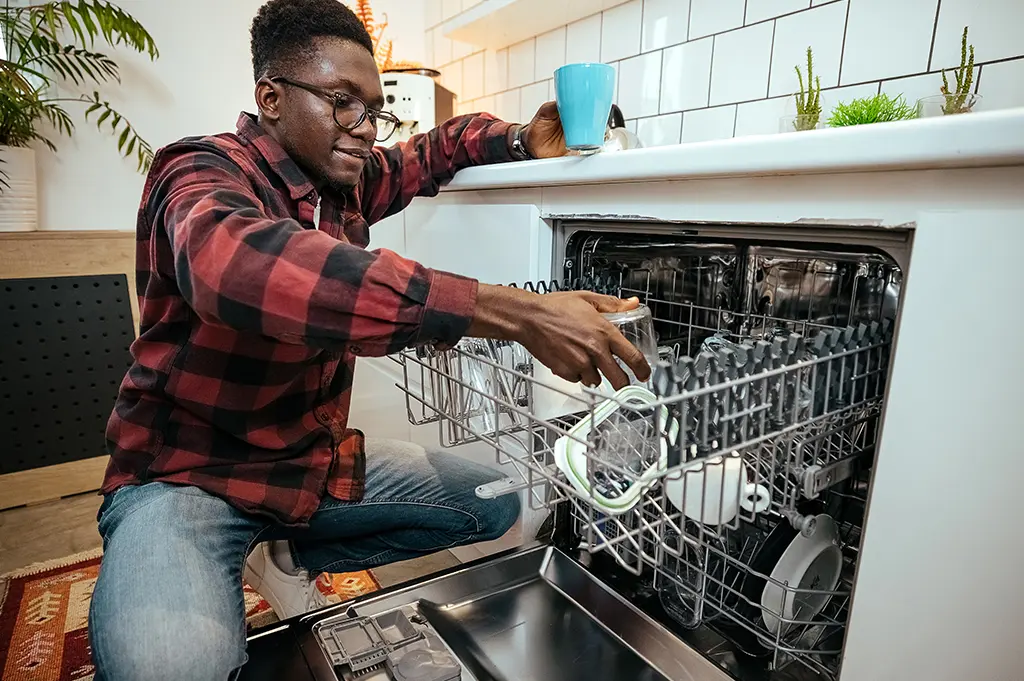
Protect your kitchen appliances and improve their performance
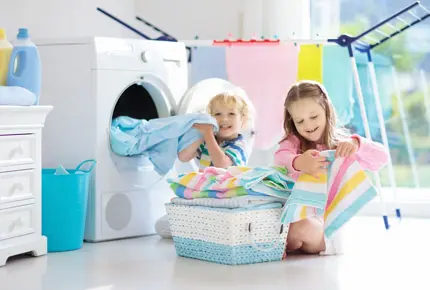
Boilers and kitchen appliances are costly investments, so maintaining them is key to avoiding repairs or earlier-than-expected replacements. All products supplied with hard water and required to heat the water will experience limescale build-up. By softening the water, they will no longer suffer from the damaging effects of limescale and will operate more efficiently for longer, giving you a greater return on your investments. You will also find that your washing machine requires less detergent, and your dishwasher provides cleaner glasses and there’s no more need for additional salt.
The benefits of using softened water in your boiler and appliances
- Boilers and appliances will operate more efficiently and last longer
- No more repairs and replacement due to limescale damage
- Your home will be more efficient and environmentally friendly
- Kettles will be free from unsightly scale
- Protects your pipework from scale blockages
Boiler & Appliances FAQ's
Commonly asked questions about the effects of hard & soft water on appliances & boilers
Can I use softened water in my boiler?
Yes, softened water is fine for boilers. It will prevent limescale from damaging and compromising the boiler’s ability to heat water efficiently. Boilers supplied with hard water are often ravaged by limescale, lowering their efficiency and lifespan.
Is it ok to use softened water in heating systems?
Some boiler manufacturers advise using hard water in heating systems. However, according to the Water Quality Association, research has shown no proof to support this theory that artificially softened water is corrosive. If in doubt, consult the boiler manufacturer for advice.
Is a water softener good for appliances?
Water softeners are the best way to protect your kitchen appliances from the damaging impact of limescale buildup. All products and appliances that heat water are vulnerable to limescale causing internal damage, repair costs or early replacements. Using a water softener will keep your appliances free from limescale so they can function efficiently and serve you far longer