










All your water softener and soft water questions answered
Does a water softener reduce the water pressure in my home?
A water softener will have a minimal effect on the water pressure.
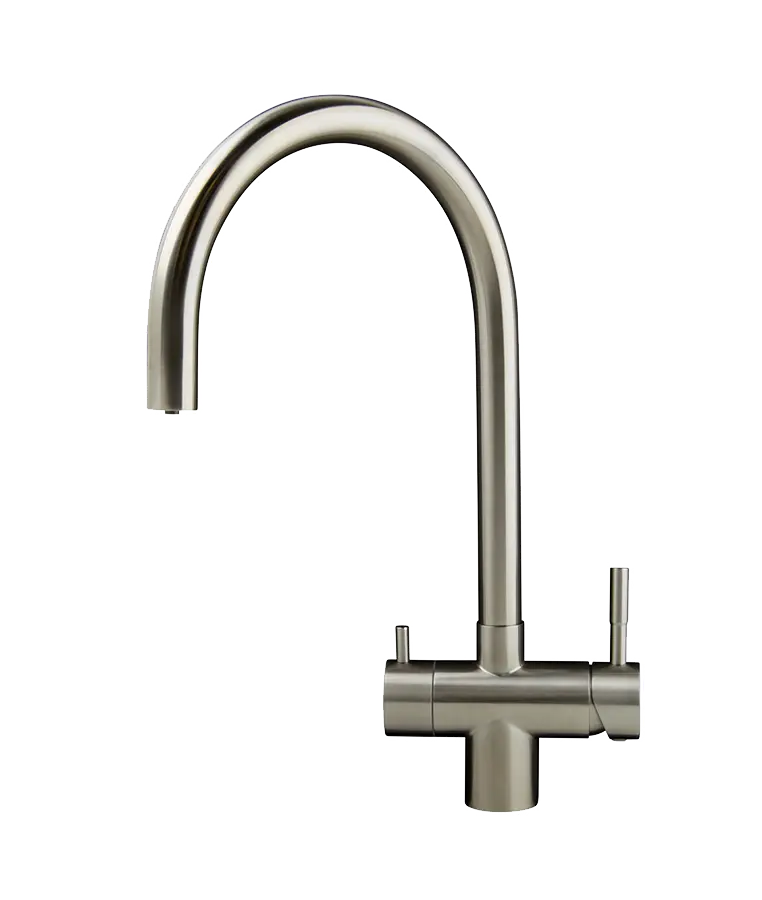
Do I need a separate drinking water tap when installing water softener?
There are no legal or health requirements to install a separate hard water tap. However, in exceptionally hard water areas – levels above 400mgl – it is recommended to have a separate hard water tap with a drinking water filter. It is safe for most people to drink softened water. The exceptions are infants and people who have been prescribed a low-sodium diet.
Can I put softened water in my central heating system?
Yes. British Standard BS 7593:2006 allows systems to be filled with softened water, providing an added inhibitor.
Is it OK to drink softened water?
YES, although there are a few exceptions. For most people, it comes down to whether or not you like the taste of softened water. Softened water contains a small amount of sodium due to the water-softening process. To put this into context, there is more sodium in a glass of milk or slice of bread.
There are a few exceptions.
If you live in a VERY HARD water area. In areas where water hardness levels are more than 400ppm, then a separate water mains tap should be installed.
Babies aged less than 6 weeks. The NHS recommends that the sodium limit should not exceed 200 mg per litre when preparing formula for babies.
People on low sodium diets. Individuals on a prescribed low-sodium diet should not drink softened water due to the increased sodium levels.
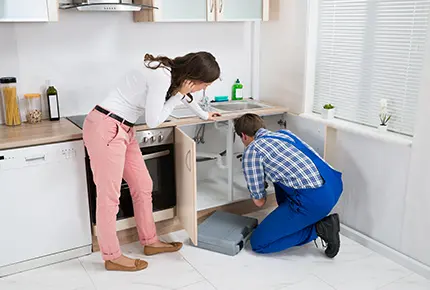
Am I able to install a water softener?
No, a water softener should be installed by homeowners.
Can a plumber install a water softener?
We only recommend qualified water softener engineers to install our water softeners. This is to ensure the installation is completed following industry and WRAS guidelines.
How long does it take to install a water softener?
The installation of a water softener will take approximately 2 to 5 hours, depending on where the unit is installed and the pipework needed.
Is limescale in household water harmful to your health?
No, there is no scientific evidence to suggest limescale is harmful to your health. However, it is damaging to your home.
What causes extreme limescale build up?
The amount of limescale you’ll experience in your home depends on the level of minerals in your water supply, often referred to as the hardness. The higher the mineral count (measured in Parts Per Million or PPM), the more mineral deposits or limescale you’ll have and the greater your problem.
Will removing the minerals from my water reduce my intake of calcium?
No, the minerals in hard water are inorganic, meaning they are not naturally found in water. As the calcium and magnesium minerals are inorganic, the human body finds it difficult to extract these from the water, so the benefit is minimal, if any. However, if you are concerned or prefer to keep hard water for drinking, this is easily done by having a bypass direct from your main water supply for a tap for drinking water only. You can even add a water filter that will remove the chlorine and other impurities, just like a Brita filter, but more economical and will free up space in your fridge.
Is it good for my hair to be “squeaky clean”?
No, if you hear the squeak, it means your hair is not hydrated and your natural oils have been stripped out. This is caused by hard water combining with your shampoo leaving scum on your hair that hampers hydration.
Why does soft water make your skin feel slimy?
This is normal when washing in soft water. The slimy or slippery feeling is how your clean skin should feel, as it’s your skin’s natural oils ability to remain on your skin to protect from drying out too much.
Is softened water better for eczema?
Research has found that soft water is better for eczema sufferers. Hard water contains minerals that damage the skin’s barrier and increase potential irritations from soap and washing powder.
Will soft water relieve eczema?
Yes, softened water has been shown to protect the skin from damage, dryness, and irritants. It allows the skin to retain more of its natural oils and pH levels, resulting in healthier, more hydrated skin.
Can water softener salt irritate eczema?
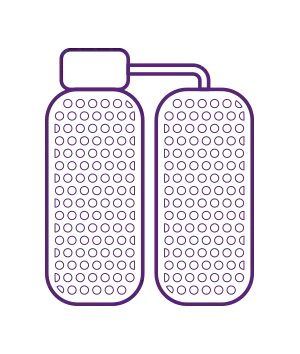
No, not with an Infinity Water Softener. Our units use an additional soft water flush from the second tank to remove any remaining salt. This means that if there is any trace of salt in the softened water, it will be minimal and not enough to cause irritation.
Can I use softened water in my boiler?
Yes, softened water is fine for boilers. It will prevent limescale from damaging and compromising the boiler’s ability to heat water efficiently. Boilers supplied with hard water are often ravaged by limescale, lowering their efficiency and lifespan.
Is it ok to use softened water in heating systems?
Some boiler manufacturers advise using hard water in heating systems. However, according to the Water Quality Association, research has shown no proof to support this theory that artificially softened water is corrosive. If in doubt, consult the boiler manufacturer for advice.
Is a water softener good for appliances?
Water softeners are the best way to protect your kitchen appliances from the damaging impact of limescale buildup. All products and appliances that heat water are vulnerable to limescale causing internal damage, repair costs or early replacements. Using a water softener will keep your appliances free from limescale so they can function efficiently and serve you far longer
What causes the film on the surface of my tea and coffee?
The high level of calcium and magnesium in your water supply causes a layer of film on your tea and coffee. This means you live in an area with hard water. Softening your water will eliminate this and provide you with a better-tasting cuppa.
How to make tea and coffee taste better?
Softened water allows tea leaves and coffee granules or beans to release their full flavour without being tainted by the minerals found in hard water. Soft water provides cleaner, better-tasting hot drinks.
How to prevent limescale in my kettle and coffee maker?
Minerals in hard water cause limescale. A water softener will remove these minerals and prevent limescale from forming in your kettle or coffee maker.
Why is my laundry stiff?
The stiffness or abrasive feeling you get after washing fabrics is because of the minerals in your hard water binding with the detergent and not completely rinsing off the laundry, leaving residue on the fabrics. This residue, when dry, causes the fabric to feel stiff or rough to the touch.
Is it better to wash clothes with soft water?
Yes, soft water washes clothes better than hard water because it is mineral-free. Minerals in hard water reduce detergent’s capacity to clean efficiently by forming soap scum that adheres to fibres. Soft water is also better for your washing machine, protecting it from limescale build-up.
How will softened water affect my washing machine?
Using softened water in your washing machine protects it from limescale damage, allowing it to heat water more efficiently and helping to extend the product’s lifespan.
Why is my laundry stiff?
The stiffness or abrasive feeling you get after washing fabrics is because of the minerals in your hard water binding with the detergent and not completely rinsing off the laundry, leaving residue on the fabrics. This residue, when dry, causes the fabric to feel stiff or rough to the touch.
How does a water softener save money?
With softened water, you will use less shampoo, cleaners, and detergents and have no need for limescale removers or dishwasher salt. Your appliances and boilers will also function more efficiently, reducing your usage.
Is softened water good for homes
Yes, softened water helps improve the efficiency of your home, helps keep it clean and is good for your skin and hair.
Which is better block salt or salt tablets?
Both are high-quality products; although tablet salt is slightly purer, block salt lasts longer between refills.
How long will a block salt last in a water softener?
The length of time will vary depending on the number of people in your household, usage, and the hardness of your water. However, the salt should last between six and eight weeks for a house with four people.
Can I refill my water softener with any salt?
It is strongly recommended that only approved water softener salt be used. The salt for water softeners are manufactured for this purpose and will provide you with the best results and keep the unit running at peak performance.