










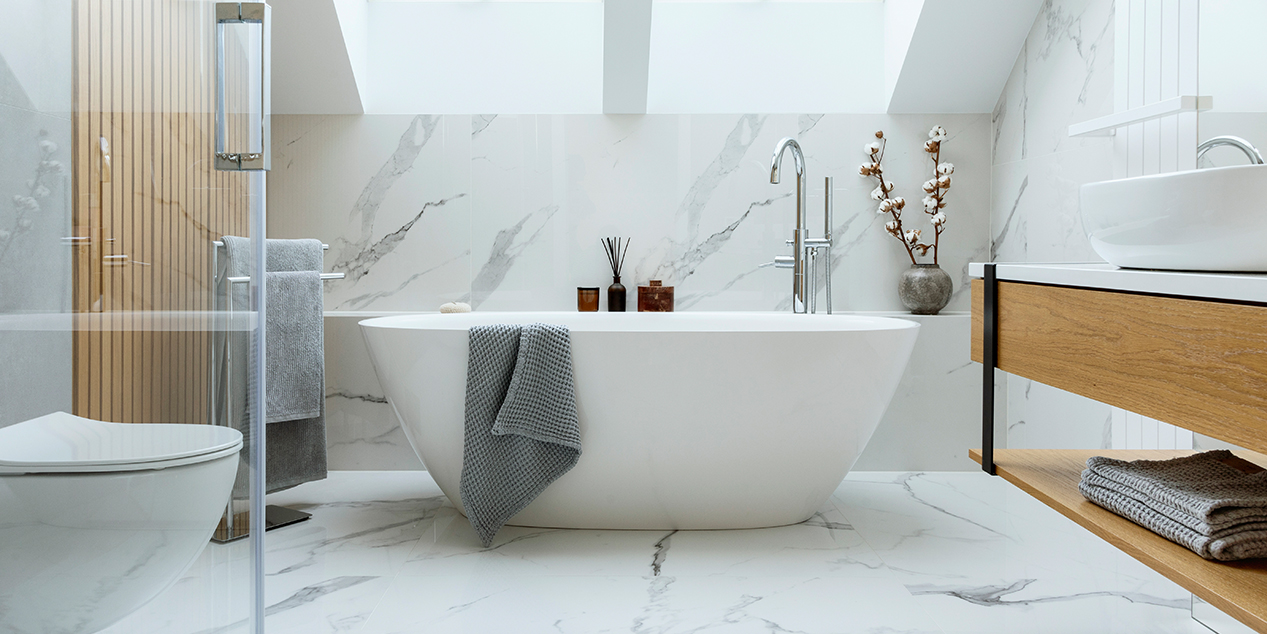
It’s a common misconception that luxury bathrooms are immune to the effects of hard water. After all, you’ve spent a small fortune on a new bathroom, so it should be able to withstand anything, right? Unfortunately, if you live in a hard water area, that shine will soon disappear under the dulling of limescale. Therefore, it’s essential to know what to expect as a result of hard water damage and how to avoid it ruining your bathroom. This post will highlight the issues and explain how to free yourself from them.
What is limescale, and how does it form?
If you know the answer, skip to the next bit, but here’s a quick rundown if you don’t.
Limescale is a by-product of hard water caused by the minerals (calcium and magnesium) it contains. When you use hot, hard water in your bathroom, any remaining residue and droplets will evaporate, leaving these minerals behind, which is commonly known as limescale. Each time you use your shower or taps, more scale accumulates. The harder your water, the quicker the scale will appear.
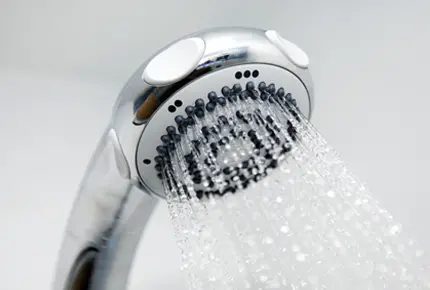
Why do the holes in showerheads block?
The simple answer is the limescale build-up. Where the hot water droplets remain in the small holes of the showerhead after showering, they eventually evaporate, leaving behind limescale. The more you use the shower, the quicker the scale will form, eventually blocking the holes completely or causing the water to shoot out in an odd direction.
What causes marks on shower screens?
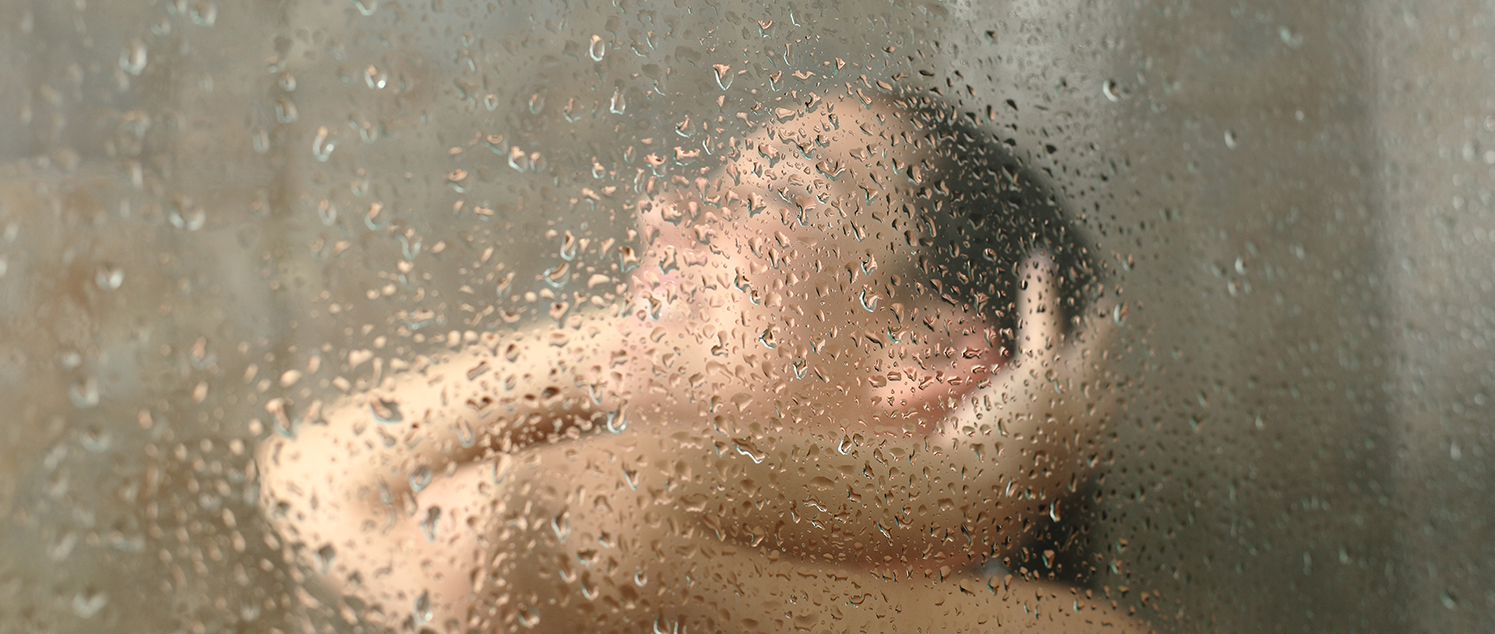
Shower screens are also prone to instantly showing the effects of limescale. The evidence is plain to see after just a couple of showers, as the white marks dull the screen. These white marks are the residue left by the hard water on your screen after showering. One way to control this is to use a window squeegee once you’ve finished showering. However, this will not stop the limescale from building up on the edges and at the bottom of the seal.
Why do you get bath scum?
This unsightly by-product is not due to limescale but the minerals in hard water creating it. When you bathe and use soaps, the minerals in the hard water combine with the soap, forming a scum. This sits on the surface of the water, so when you drain the water away, it clings to the walls of the bath, leaving behind the scum.
Why chrome tarnishes and dulls
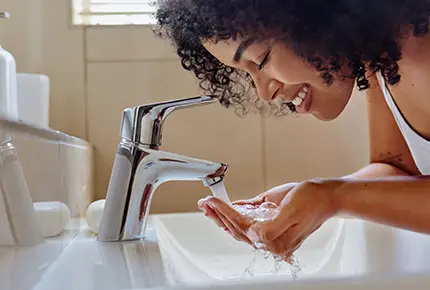
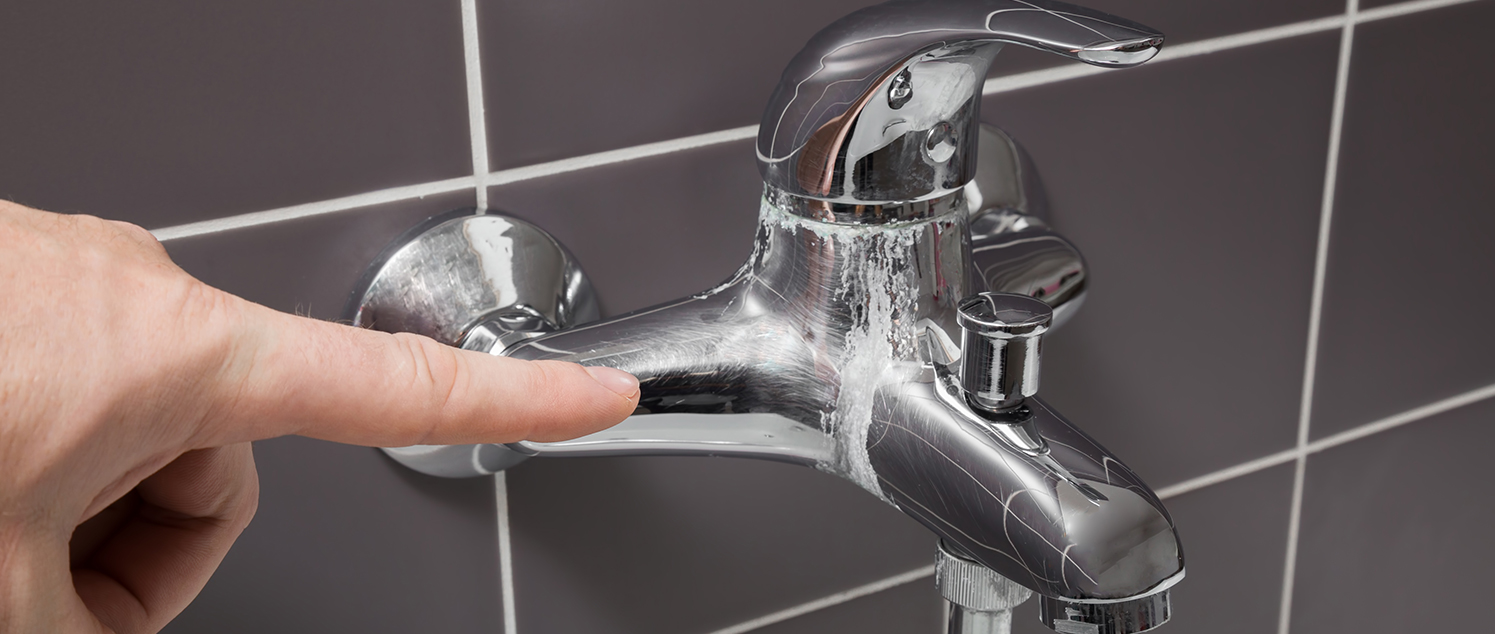
Taps are generally made from chrome, and when first fitted, they will sparkle and look fabulous. However, in a short space of time, that chrome can dull pretty quickly, as soap scum, limescale, and watermarks will become very evident. All 3 of these issues are due to the hard water. The constant use of harsh chemicals and scraping to remove this can cause irreversible damage to the surface of the chrome.
Do you have an unresponsive thermostatic shower or taps?
Thermostatic showers and taps are a great way to control the temperature of your water. If you find that the setting becomes less responsive or temperatures are not what you’d expect, the likely cause is limescale forming around the element that detects the water temperature. The more scale buildup, the less effective the thermostatic tap will be. Eventually, the damage from limescale could cause this to ultimately fail.
Avoid crusty toilet rims and faulty cisterns
Most water in the home runs through the toilet, so not only does the toilet breed germs, but it’s also limescale’s best friend. You’ll notice this forming around the toilet rim and where you can’t see in the cistern. Limescale in the cistern can cause it to stick, preventing it from filling or constantly stuck on running through.
How you can protect your bathroom from hard water damage
All the potential issues listed above are caused by hard water, which costs money in the form of cleaners, descalers and blockages, and failure in the worst-case scenarios, meaning costly repairs or replacements. As the saying goes, “prevention is better than
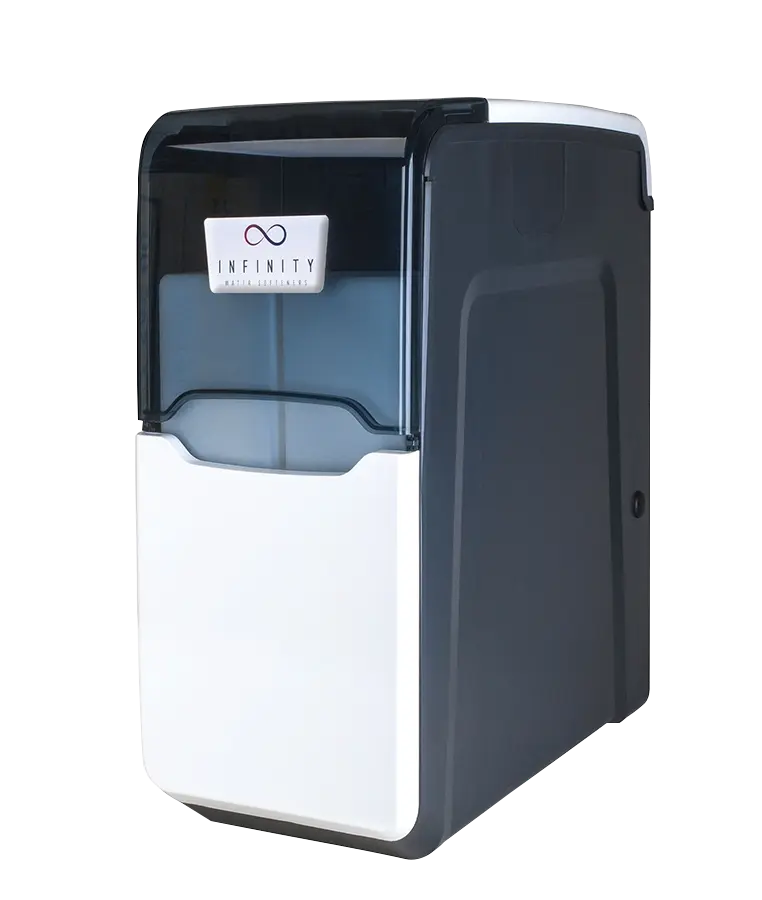
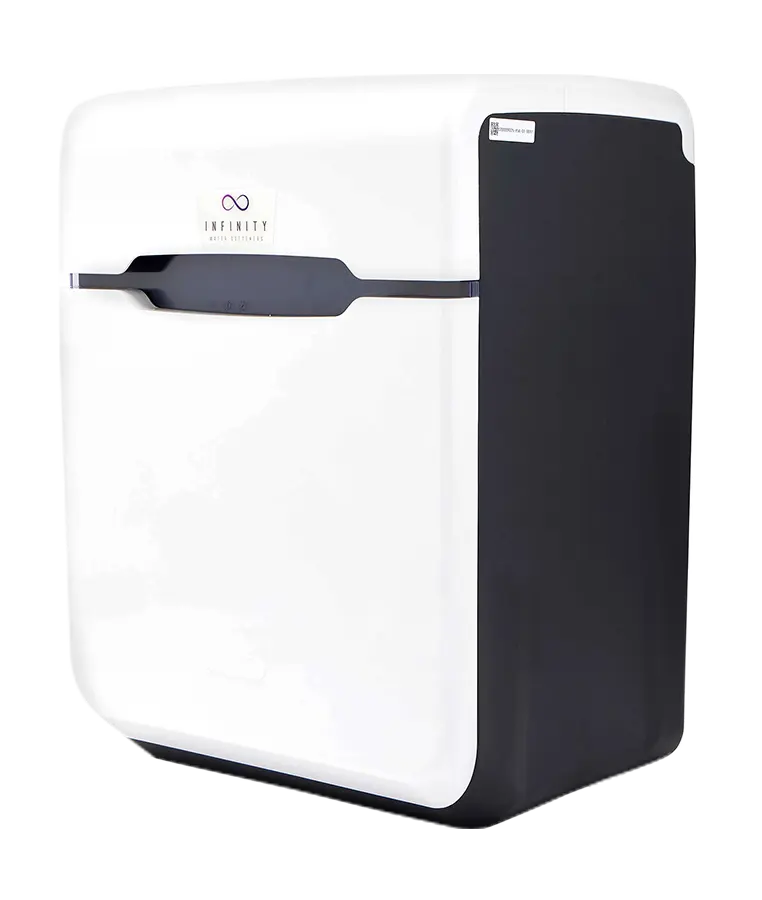
treatment”, and the way to prevent all the above is simply installing a water softener. Water softeners are connected to your main water supply, so when the hard water enters your home, the softener removes the minerals that cause limescale, making it soft. Softened water is free from calcium and magnesium minerals, so you will no longer experience the damaging impact of limescale, and your luxury bathroom will not only keep its sparkle, but its components will last longer too.
For more information regarding the benefits of water softeners concerning skin and hair health, see the links below: