









People who have eczema, a chronic skin condition that causes dry, itchy, and inflamed skin, can greatly benefit from using water softeners. The hardness of the water used for bathing and washing can have a direct impact on whether eczema symptoms are better or worse, despite the fact that the underlying causes of eczema are complicated and varied. There are advantages of water softeners for those with eczema.
Why does hard water make eczema worse?
Research has found that eczema is caused by a failure in the skin’s barrier, allowing moisture to escape the skin creating gaps between skin cells. Should you or a member of your family suffer from eczema, the hardness of your water is either making these issues worse or doing nothing to help improve the condition. The reason hard water exacerbates this is due to your soaps and shampoos binding with the calcium and magnesium minerals found in hard water. When these combine it forms a microscopic chalky deposit that coats the skin and blocks pores. The residue, not visible to the naked eye is difficult to rinse off and substantial amounts will remain on the skin after washing. These deposits strip out your skin’s natural oils, whilst also preventing the skin’s ability to absorb moisture. The result leaves your skin even more dry and irritated than before.
How a water softener will improve eczema
Softened water improves skin moisture retention
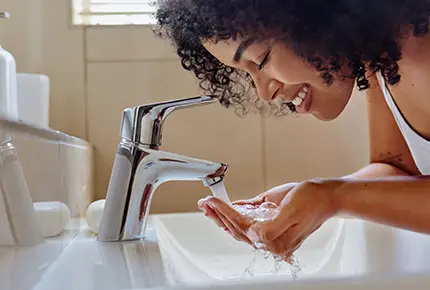
Soft water helps promote healthier skin by allowing more moisture to be absorbed and the skin’s natural oils to remain after washing, alleviating irritation and reducing scratching.

Clothes and towels are softer reducing skin irritation
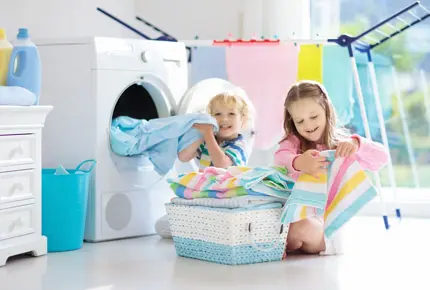
Washing laundry with softened water has the same result. They will be free from residue making for softer clothes and towels that are gentler on the skin to remove further irritation.

Moisturisers and skincare products are more effective
With skin that is free from residue and blocked pores it enhances the effectiveness of moisturisers and skincare products to support better hydrated skin.
The benefits softened water has on eczema skin
-
- Soaps and shampoos lather more, requiring less, and rinse off more thoroughly
- After washing, there is no residue on the skin that limits moisture retention
- More of the skin’s natural oils and moisture are preserved
- Improved skin hydration reduces dryness and scratching
- Skincare products are more easily absorbed by the skin
- There will be less reliance on steroid creams
- Softer clothes and towels cause less irritation
- Peace of mind knowing that your soft water is making a positive difference
Softened water provides sustainable and natural eczema relief
Many individuals that suffer from eczema regularly use expensive prescription only steroid creams to manage their symptoms. However, using these creams continuously over long periods will have adverse effects on the skin. Installing a water softener offers a sustainable natural alternative which has no negative long or short term effects. In fact, regular use will improve skin health for all the household. Eczema sufferers will find their skin feels more hydrated and less irritable, reducing scratching and the inflammation it causes. While water softeners aren’t a standalone cure for eczema, they are an extremely valuable addition to help eczema management.
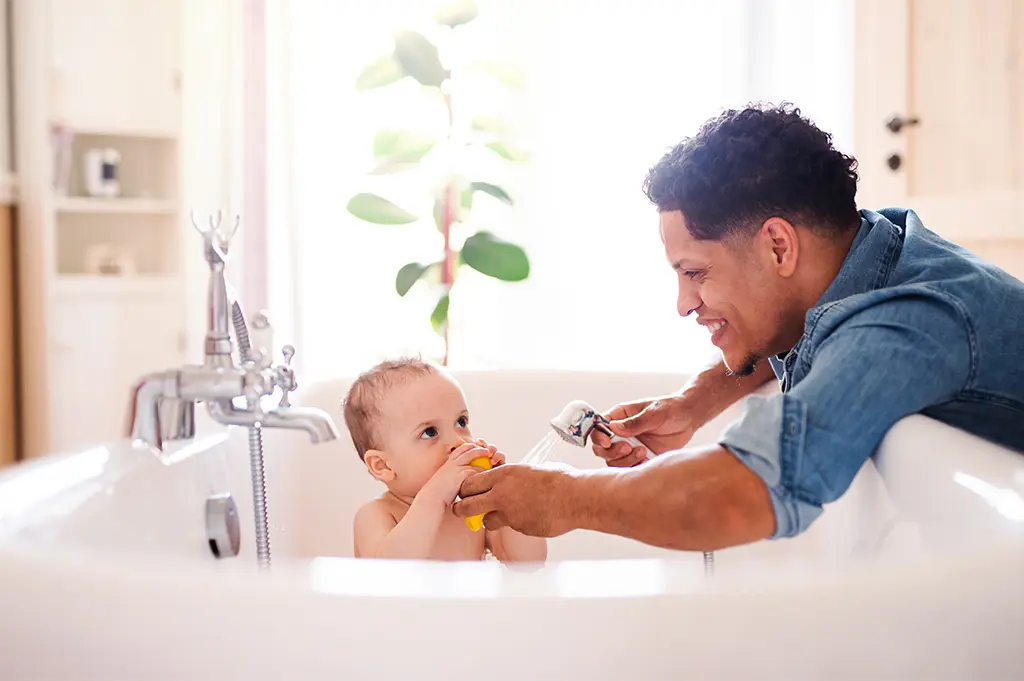
Helps babies and children with eczema
Eczema in babies and toddlers is fairly common. However, the reason young children develop this at such an early age may not be related to a failure of the skin barrier, but rather to the body’s ability to manage skin health. Our skin grows more robust against external influences over time and compensates for moisture loss. Because newborns’ and younger children’s skin has a low resilience, when they are washed in hard water more regularly, the soap bonds with the minerals, leaving residue on their skin. The residue strips the skin’s natural oils and hydration while also preventing moisturisers from being absorbed to offer any help.
There’s also the possibility that their clothes and bedding will irritate their sensitive skin. Washing laundry in hard water again combines with the detergent to leave residue on the materials, making them feel abrasive on their skin.
Softened water overcomes both of these problems by eliminating the hard water minerals. This protects your child’s skin, resulting in softer, more moisturised skin that is less prone to itching and scratching. A water softener is not a magic cure, but it can significantly reduce symptoms and help manage the condition.
Soothing Baths and Showers with soft water
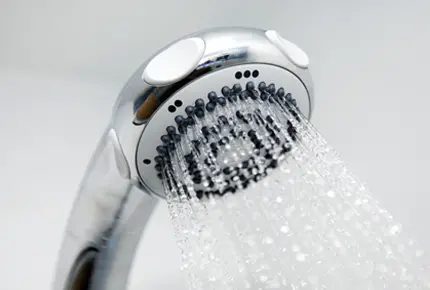
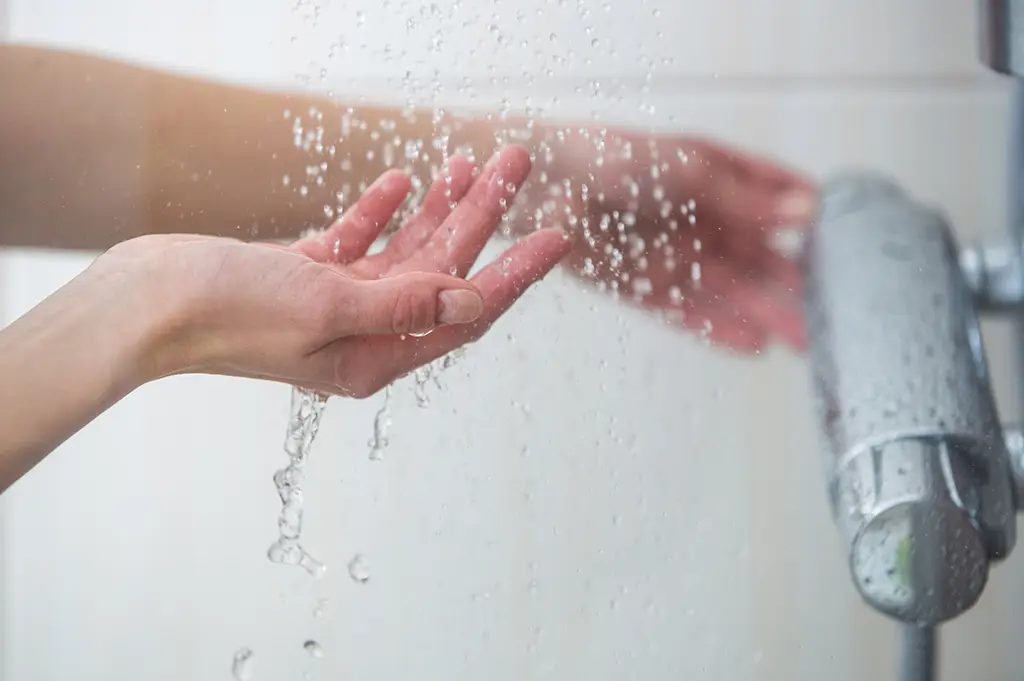
Bathing or showering in softened water is a more soothing and calming experience for people suffering from eczema. Knowing that the water you’re using is having a positive outcome on the skin and not aggravating inflammation, contributes to a more relaxing and stress-free bathing routine, which is essential for eczema control.
Eczema FAQ's
Commonly asked questions about the effects of soft water on eczema prone skin
Is softened water better for eczema?
Research has found that soft water is better for eczema sufferers. Hard water contains minerals that damage the skin’s barrier and increase potential irritations from soap and washing powder.
Will soft water relieve eczema?
Yes, softened water has been shown to protect the skin from damage, dryness, and irritants. It allows the skin to retain more of its natural oils and pH levels, resulting in healthier, more hydrated skin.
Can softened water cure eczema?
No, unfortunately, there is no known cure for eczema. However, soft water helps to manage eczema by improving skin health and reducing irritation.
Can water softener salt irritate eczema?
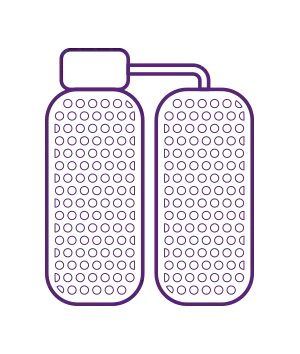
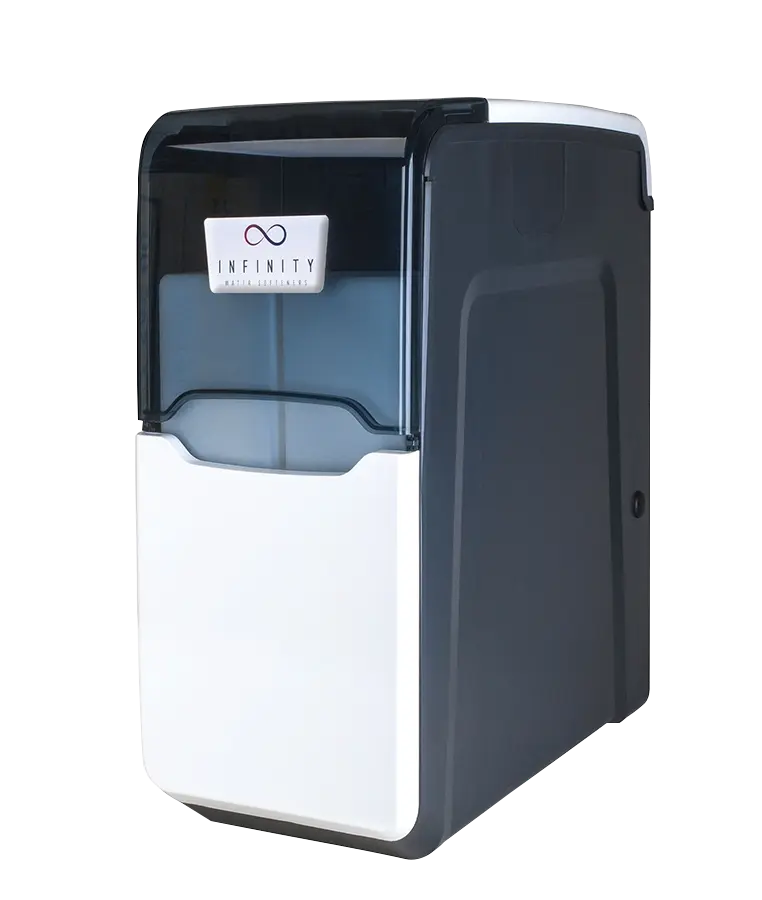
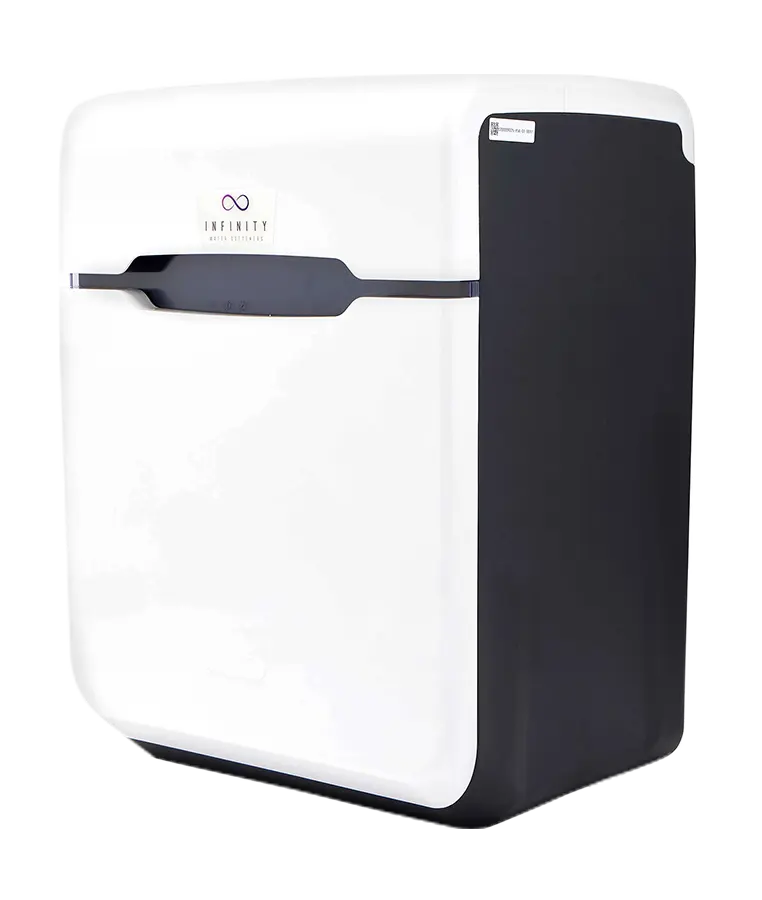
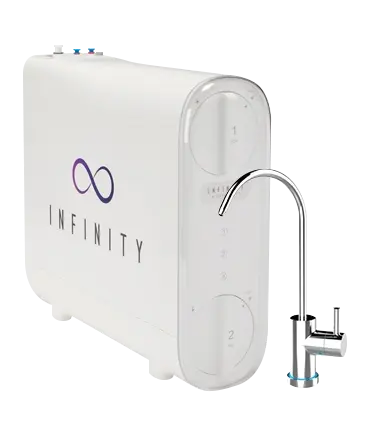
No, not with an Infinity Water Softener. Our units use an additional soft water flush from the second tank to remove any remaining salt. This means that if there is any trace of salt in the softened water, it will be minimal and not enough to cause irritation.