












Those that suffer from problematic skin and hair conditions are frustrated by the battle to relieve the symptoms. Many of our customers describe how they tried an array of soaps, shampoos, creams and more in the hope of discovering something that works, before installing a water softener. People often miss a single basic component that leads to dry skin and hair problems: hard water. They ignore water as an issue because of the belief that all water hydrates skin and hair, but the fact is that hard water exacerbates dryness.
Why hard water contributes to skin and hair issues
If you or a family member suffers from dry, eczema-prone skin or dry, dull hair, the hardness of the water is contributing to these conditions getting worse, or not helping to improve it. This is because the calcium and magnesium minerals that hard water contains combines with soaps and shampoos, to create a chalky film that covers your skin and hair.
Unfortunately, this residue clings to your skin and hair, making it difficult to rinse off. As it dries, it strips away your natural oils and blocks pores. This worsens skin irritation problems and the appearance of dry, dull hair.
How a water softener benefits your skin and hair

Removes harsh minerals that contribute to dry skin and hair
Using a water softener will remove the harsh minerals contained in hard water, making it “soft”. By removing these minerals in the water, it means your shampoo and soap are easily rinsed off, leaving no residue behind. Allowing your natural oils to remain and improve hydration.
Less soap and shampoo helps maintain better skin and hair
As soft water is free from minerals, your soaps and shampoos will foam and lather more. The benefit is less product is needed to wash. Limiting the amount used is better for your skin and hair’s natural oils to surface. It also helps save money as products will last longer.

Sustainable solution to better skin and hair
Unlike prescription creams or ointments, if used over prolonged periods, they can have detrimental effects. Expensive shampoos also contain multiple chemicals to counteract the impact of hard water on your hair. Softened water has no negative concerns and is a viable long-term solution to relieving symptoms.
Soft water helps relieve eczema and dry skin
There’s nothing more frustrating to an eczema sufferer than feeling the constant urge to scratch, knowing if they do, it will make things worse. Or for loved ones to witness the visible distress and feeling utterly helpless. Unfortunately for eczema sufferers, it’s not just the physical torment, but also the mental and emotional drain.
Water softeners have been scientifically tested to support the benefit that soft water can relieve symptoms. It does this by removing the calcium and magnesium minerals that, when combined with soap, form chalky deposits on the skin that compromise the skin’s ability to retain hydration, causing it to feel dry and itchy. With soft water, your skin hydrates better and preserves the natural oils that promote smoother skin. For adults or children suffering from skin conditions, knowing that the water has a positive effect and does not contributing to their suffering is a huge relief.
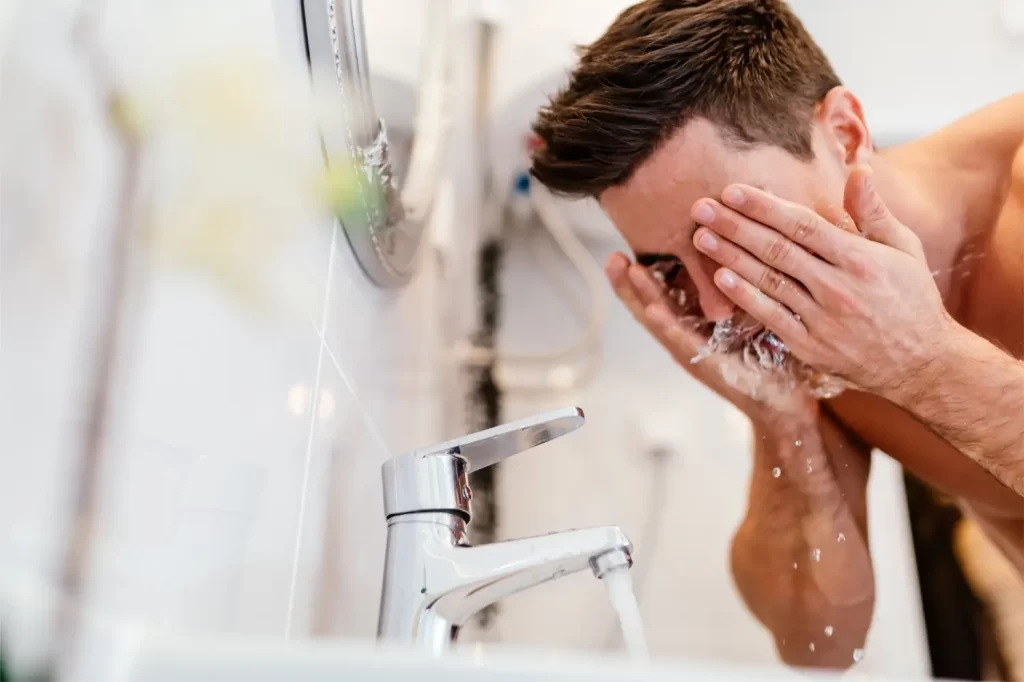
How softened water alleviates eczema and dry skin
-
- Your skin retains more of its natural oils after washing, maintaining better hydration
- Skin pores are free of blockages previously caused by residue and scum left on the skin, helping to reduce acne
- Skin is less aggravated, reducing scratching as there’s no residual deposits left on the body
- Clothes and towels are softer on the skin from washing in soft water
- You can use less soap which is better for your skin
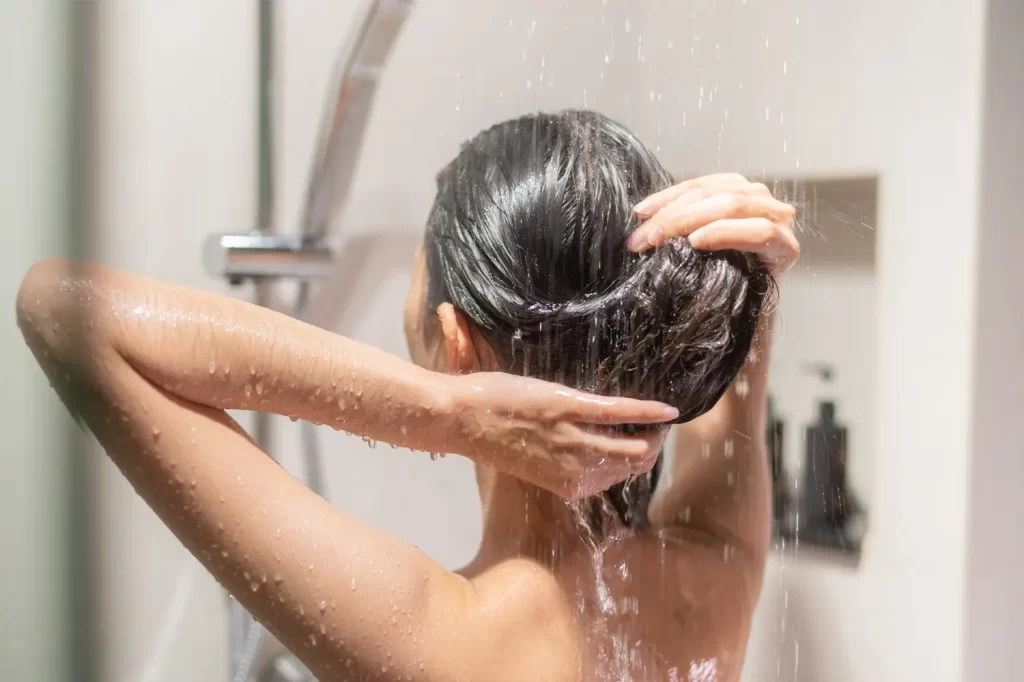
Soft water improves the look and feel of your hair
Your hair is nearly always on display, therefore maintaining a healthy look and feel is very important to your self-esteem. People who wash their hair with hard water find that their hair feels coarse, dull and flat. This is due to the hard water minerals combining with the shampoo, creating a residue that clings to the strands of your hair. It prevents moisture from penetrating the hair and is difficult to rinse off. As the microscopic deposits dry on the hair, it causes it to look dull, dry and lifeless, contributing to tangles and breakage, thinning and a dry scalp.
Soft water removes the minerals that create the scum, allowing you to easily rinse off all the shampoo, leaving no residue behind to compromise hydration. Now you’ve freed your hair, it will look shinier and feel softer.
How softened water improves hair condition
-
- Your hair keeps more of its natural oils and absorbs more hydration
- Hair is silkier and shinier as it is free from the residue left behind from harsh hard water minerals
- Softer hair helps to prevent breakages and tangles
- Your scalp is healthier, reducing dryness
- Coloured hair lasts longer
- You can use less shampoo and hair products which is better for your hair
Skin and hair FAQ's
Commonly asked questions about the effects of water on skin and hair
Is it good for my hair to be “squeaky clean”?
No, if you hear the squeak it means your hair is not hydrated and your natural oils have been stripped out. This is caused by hard water combining with your shampoo leaving scum on your hair that hampers hydration.
Why does soft water make your skin feel slimy?
This is normal when washing in soft water. The slimy or slippery feeling is how your clean skin should feel as it’s your skin’s natural oils ability to remain on your skin to protect from drying out too much.
Can soft water help skin conditions?
Soft water’s skin-friendly properties can help relieve individuals with sensitive skin conditions, such as psoriasis or dermatitis. It helps the skin retain moisture, improving its overall health and reducing irritation.
Why is softened water better for my hair?
Softened water reduces the need for excessive shampoo and rinsing, ensuring that hair retains its colour and health for longer. It also allows your hair to retain more moisture, resulting in softer, silkier strands with fewer breakages.