










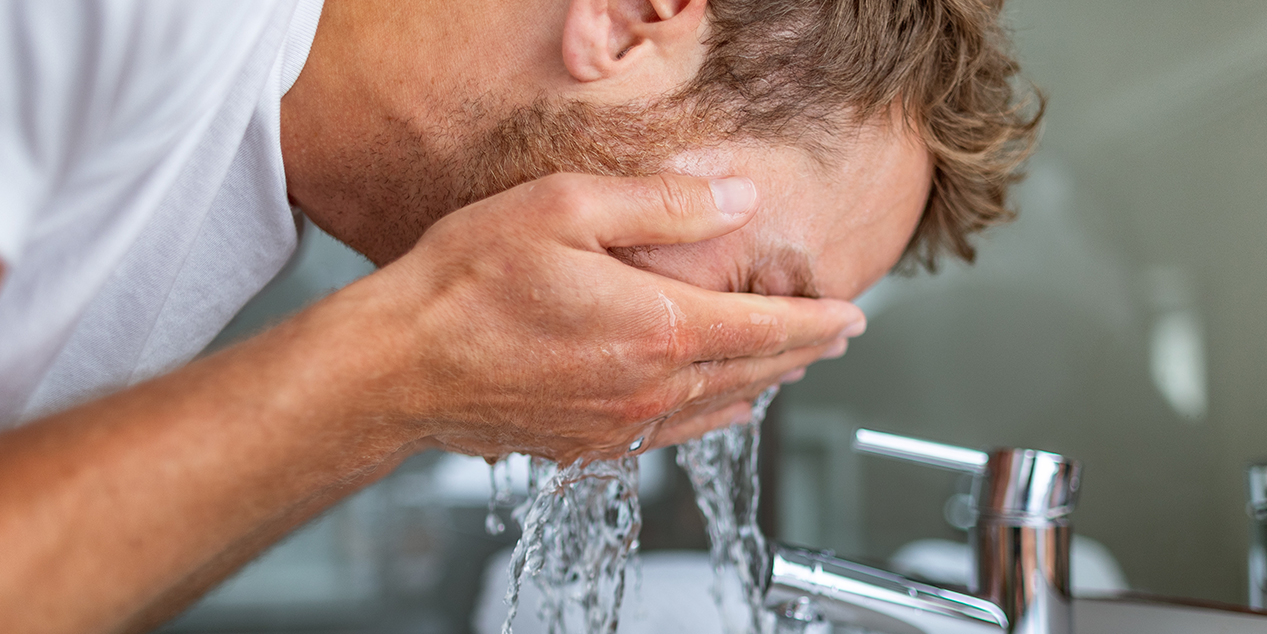
This is a guest post written by David, an Atopic Eczema sufferer.
As a long-term eczema sufferer for the past 30 years, I know all too well the various issues others with similar skin complaints have. I’m sure if you’re reading this post, it’s either because you have eczema or someone you care about does. So, I’m going to skip the symptoms and go through some tips to help ease the suffering. I will also avoid the scientific jargon, but if you want to know more about why and how, there are some helpful links at the end.
1. Softened water is better for eczema
I live in an area of London with hard water, and before being introduced to Infinity Water Softeners, neither doctors nor dermatologists informed me about the benefits of softened water on the skin. It was all about creams, steroids and therapies to deal with the symptoms, not trying to identify and prevent the cause.
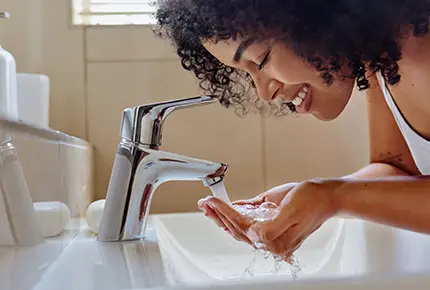
Through my experience washing with hard and softened water, I’ve learned that hard water dries the skin. As soon as we installed a water softener, I instantly felt the difference after drying. My skin was less tight or irritable.
Regardless of the science behind this, the simple fact is that your skin will be much healthier after washing with softened water than after washing with hard water.
2. Use less soap or shampoo and rinse off thoroughly
Another benefit of softened water is that soap lathers better, meaning you use less, and the soap rinses off the skin more easily, leaving no residue. This allows your skin to retain more moisture. Less soap is better, and ensuring nothing is left to aggravate the skin is even more critical. Hard water combines with soap to form an invisible layer of scum that is difficult to rinse off thoroughly and will dry the skin as well as clog pores.
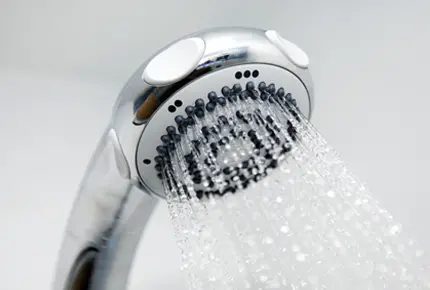
3. Shower or bathe in warm but not hot water
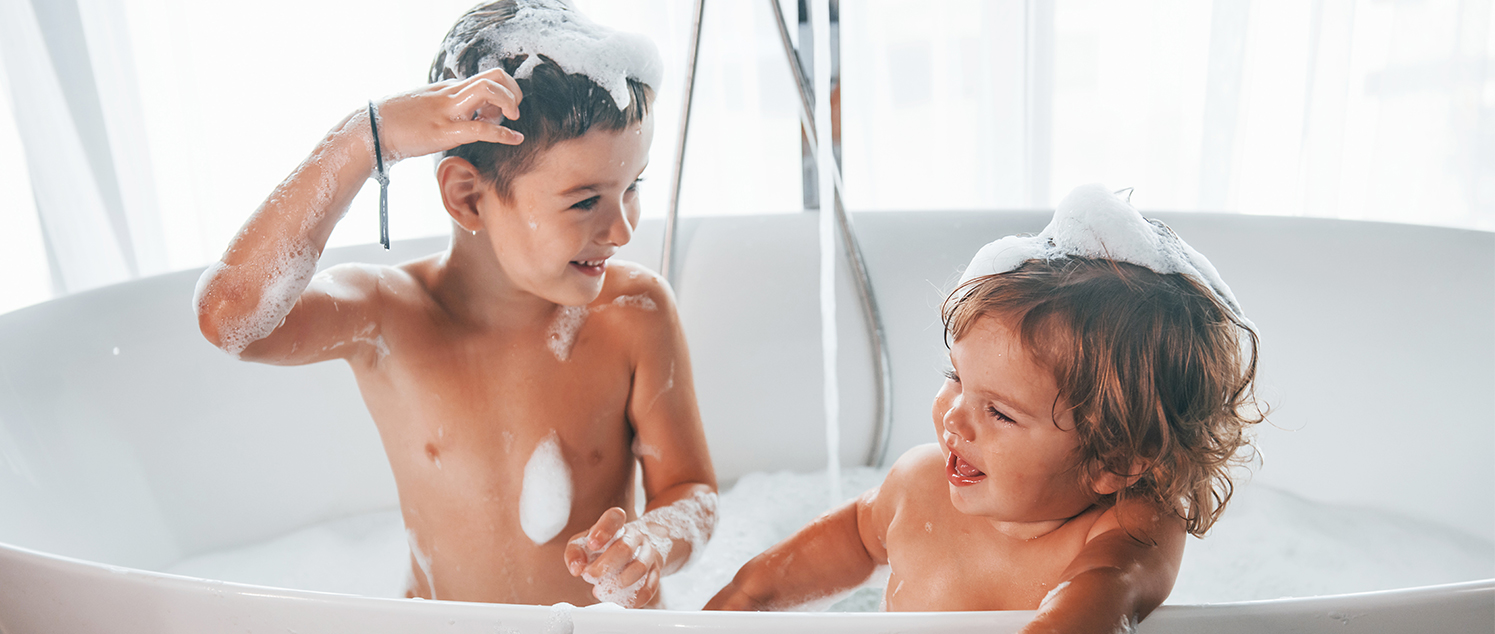
Whether you have hard or softened water, hot water tends to cause my skin to flare afterwards. You may get that momentary relief from a hot shower, but I find my skin reacts after showering. It could be the heat being retained in the skin once I apply moisturisers. I’m not entirely sure. It’s just something I’ve noticed, and I would advise everyone with a skin condition to avoid hot water.
4. 3-minute drying rule
I read about this a long time ago and have continued doing it. Once you have finished your shower or bath, dry off with your towel within 3 minutes. I’ve even tested this theory by not drying it immediately and leaving it for a while, which has resulted in patches of irritation appearing.
5. Moisturise immediately after drying
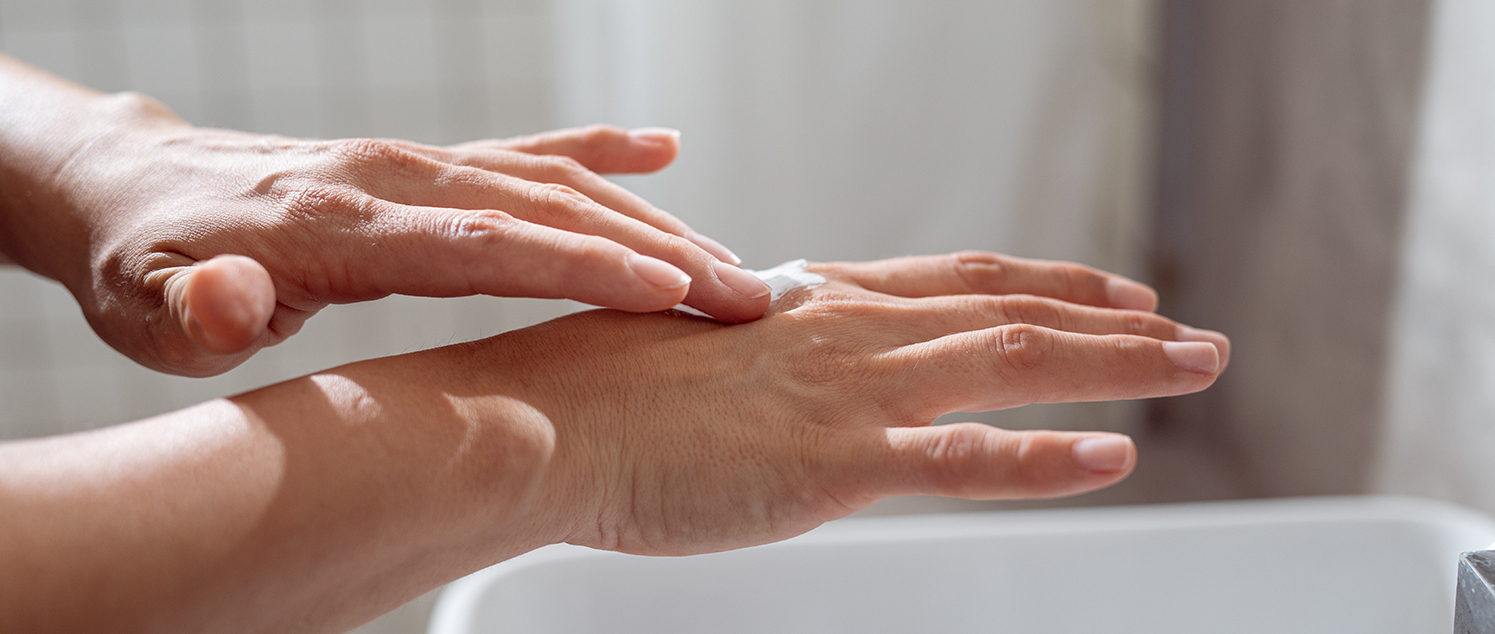
A significant part of maintaining your skin health is finding a moisturiser that works for you and applying it directly after you have dried. The culmination of your skin being free from soap and scum residue that can also block skin pores allows the moisturisers to work more effectively.
6. Wash towels and clothing with softened water
There are undoubtedly different types of fabrics that can contribute to irritation. However, washing towels and clothes with softened water has helped lower the irritation. The detergent lathers better with softened water, allowing you to use less and rinse off more thoroughly. This leaves your laundry free from residue that can be an irritation and make your laundry feel coarse. The coarse feeling of a towel can also cause more aggravation.
Overall, since we’ve had the water softener, I can categorically say it has made a massive difference to my skin. It’s far less itchy, and I’ve experienced fewer flare-ups. I no longer rely on medicated creams and focus on the cause rather than treating the symptoms. My skin health is far better, with only isolated areas that cause sporadic problems.
If you or someone you know suffers from eczema, installing a water softener and following these tips will help improve their quality of life, physically and mentally.
For more information regarding the benefits of water softeners concerning skin and hair health, see the links below: