
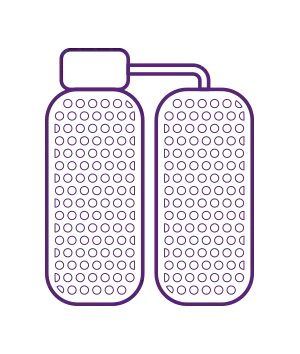










There are two different types of water softeners. Below is a short explanation about each to help you choose the one that best suits your needs.
4 things every Water Softener shopper should know
To help you make the right decision, we’ve put together a short guide to simplify the jargon and also what to look out for when considering which solution is best for you.
1. What types of water softeners are there?
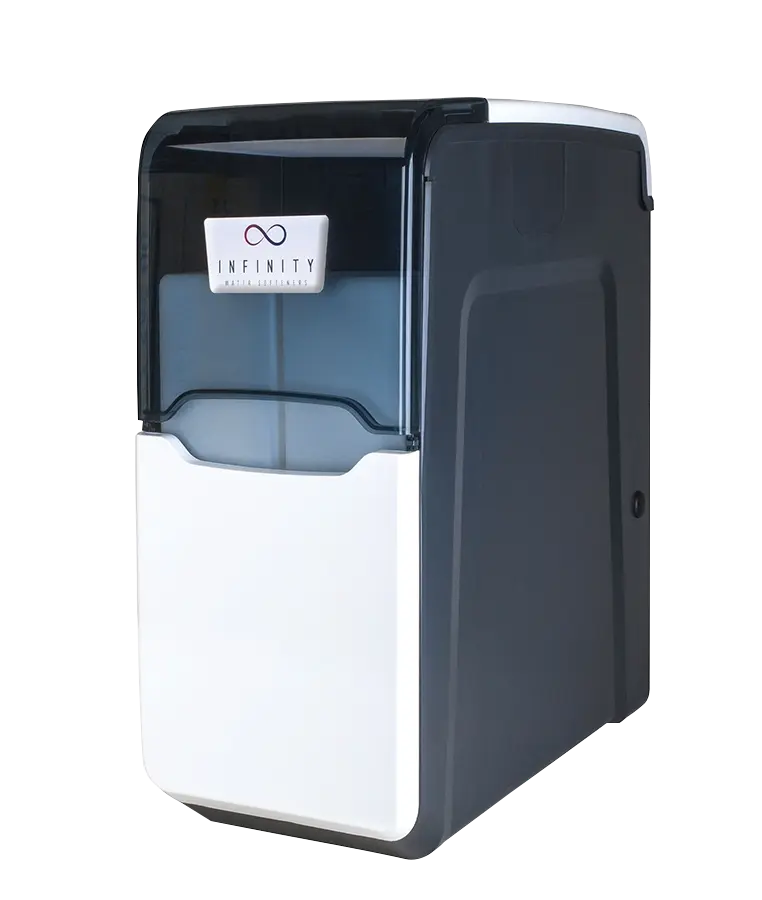
Single-tank water softener
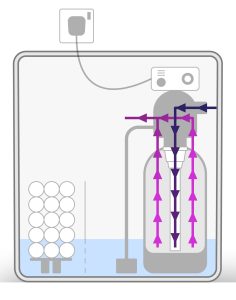
This water softener has only one tank that uses resin beads to soften the hard water as it flows through the tank. It measures the amount of water used and regenerates when needed. However, with only one tank, this unit is unable to provide soft water while regenerating, therefore, if you are using the water while it is regenerating, you will be supplied hard water until the regen is complete.
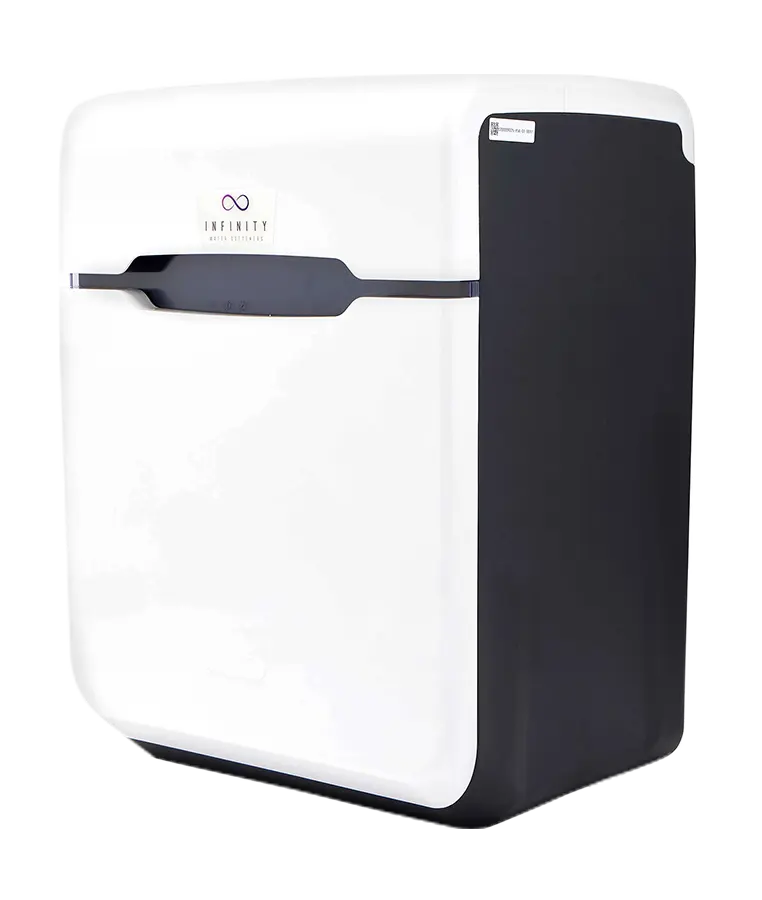
Twin-tank water softener
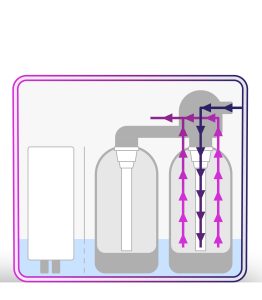
With two tanks, this type of water softener can switch tanks when the other one is regenerating, ensuring continuous soft water. Another added benefit is that it can rinse the tank that is regenerating with soft water so that it is not compromised by using hard water to rinse the tank.
Top tip
Check the manufacturer’s specifications, as not all water softeners use a soft water rinse. Also, check out how a water softener works.
2. What to consider when choosing a water softener
How much water will you be using?
The number of bathrooms, family members and kitchen appliances in your home that can be used simultaneously will directly impact the water softener. Be mindful of this when you select your water softener, as it will need to have the capacity to perform at the level you need.
Where will your water softener be situated?
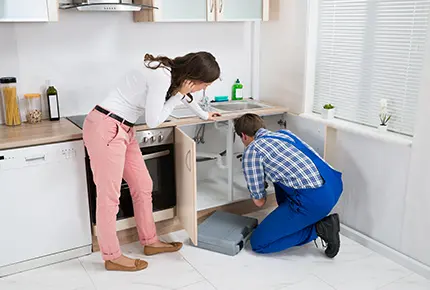
Typically, water softeners are installed where the main water supply enters the home. This is commonly situated under the kitchen sink, although it could also be under the hallway stairs, in a basement, or in a utility room.
How hard is your water now?
The hardness of your water is caused by the concentration of calcium and magnesium. Throughout the UK, these mineral levels vary based on your home location. A quick way to find out how hard the water is in your area is to use our postcode hard water checker, which will give you an instant answer based on our local knowledge and national data.
How much will it cost for the water softener and installation?
The cost of installation varies depending on the work required. This is why we offer a free home survey to provide a completely free upfront quote for the water softener, installation and any additional materials required. You can find out more about installation and maintenance here.
Top tip
Our T4 water softener is perfect if your household has 2 bathrooms and up to 6 people. If you live in a larger home with 3 or more bathrooms and 7 or more in your household, you’ll find the Ultra water softener has the performance to deliver the higher demands.
3. Other types of limescale-reducing devices
A water conditioner also referred to as a physical water conditioning device, will help prevent or reduce limescale build-up where hard water is heated. It does this by changing the molecular structure of water as it flows through the unit. Unlike a water softener, water conditioners do not remove calcium and magnesium from the water. This means it may be less effective at controlling limescale in areas where water is present for longer periods, such as in a hot water tank or shower. It also won’t provide the same feeling of “softened water”, such as rich soap lather, silky hair, and smooth skin.
The most common types of water conditioners are
Electrolytic scale inhibitors
These devices add a very small amount of zinc to the water, preventing it from clinging to pipes and boilers. They are connected to the incoming water supply and treat the entire house.
Magnetic scale inhibitors
This process passes the hard water through a magnetic field. This concept promotes the formation of tiny crystals that are flushed out by the system.
Electronic or Electromagnetic scale inhibitors
These devices cause the calcium and magnesium in hard water to bunch together to create limescale crystals dispersed in the water, instead of attaching to the surfaces of the heating element.
Limescale Control Device
This device is filled with beads coated with a special ceramic material. When hard water flows through the ceramic beads, the calcium ions change into non-scale-forming crystals.
Polyphosphate Dosing
This process introduces tiny amounts of polyphosphate to the water supply. The calcium in the water reacts with the polyphosphate, preventing it from forming scale on the heating elements found in boilers.
How much noise does the water softener make?
The only time you will hear the water softener is during the regeneration process. During this time you may hear a low-level hum.
4. The jargon explained
Ion Exchange
Ion exchange is a reaction between two molecules exchanging positively and negatively charged particles. In a water softener, this is where harmful calcium and magnesium ions that are the cause of limescale and soap scum get replaced with gentle sodium ions.
Water Softener Resin
These tiny organic polymer beads are placed inside water softener tanks and used in ion exchange.
Rising Main
Rising main is where the main water supply enters a building. The most common place is underneath the kitchen sink or at the stopcock.
Hard Water
Hard water is the common term for water containing a high mineral concentration. The higher the concentration of minerals, the harder the water. This is the opposite of soft water, which contains no minerals. Find out more about why you get hard water here.