










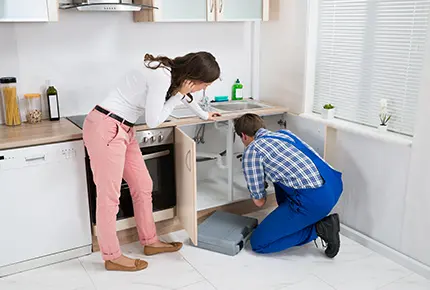
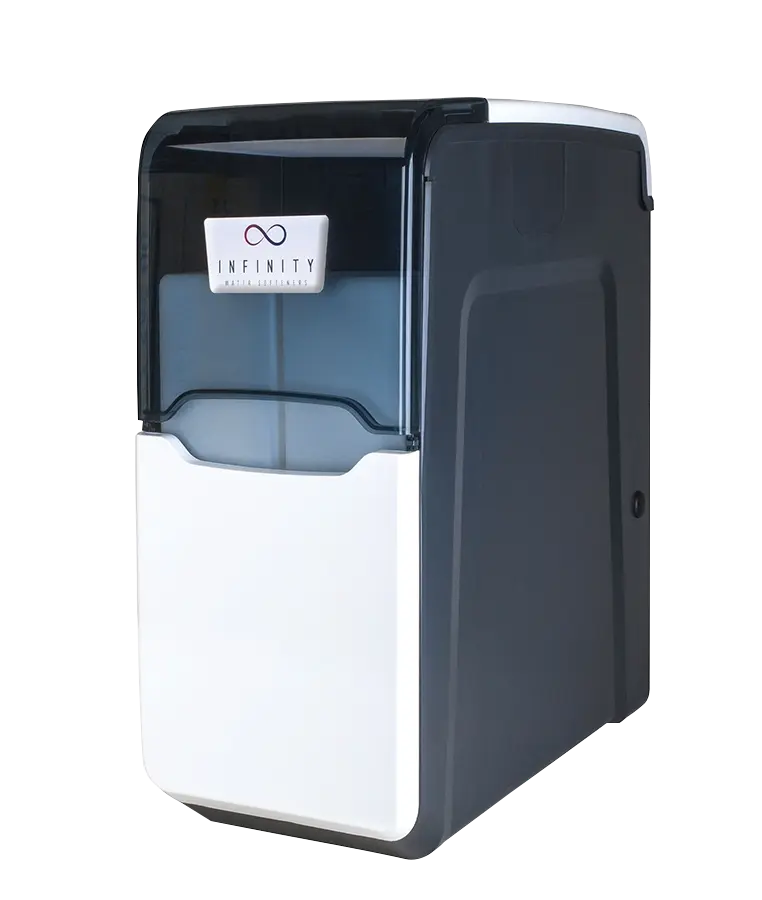
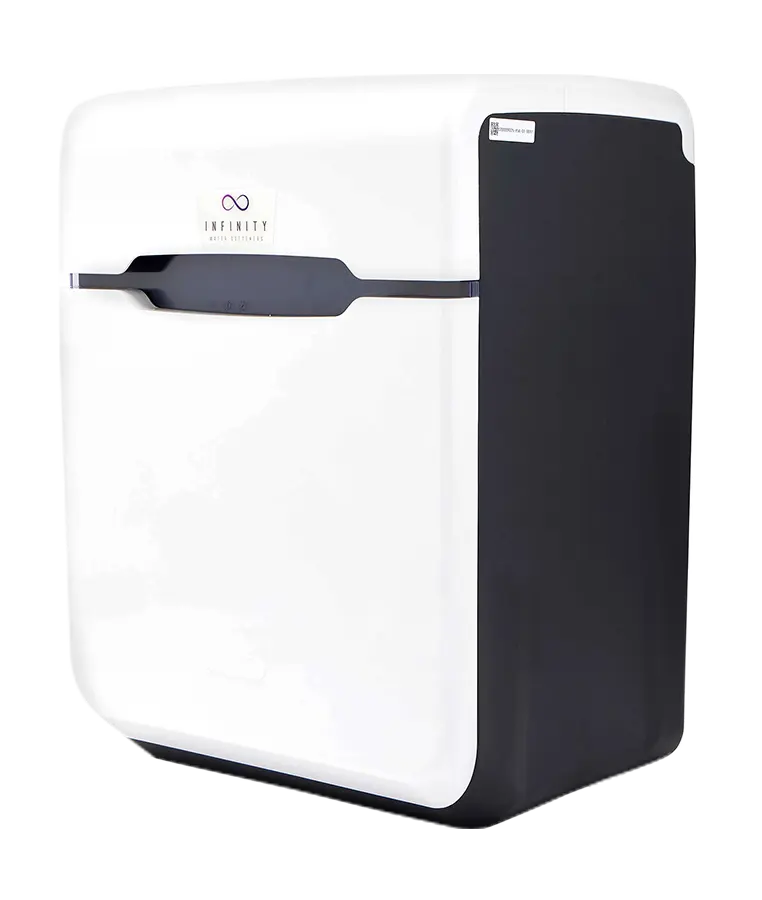
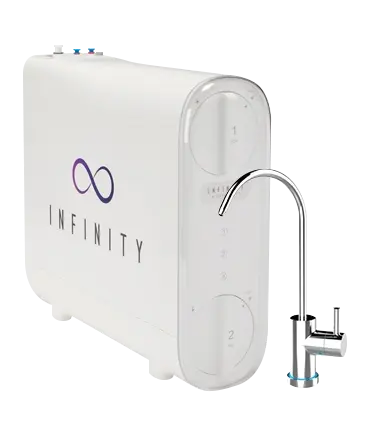
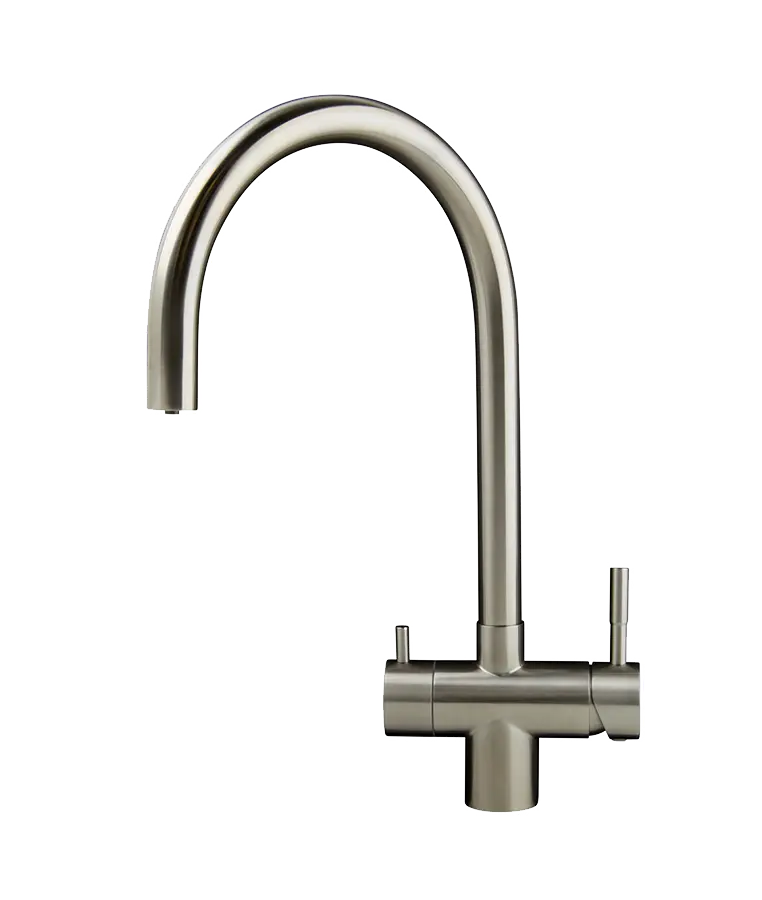

A water softener is a system that treats hard water by removing the calcium and magnesium minerals it contains, making it soft. Homeowners choose to install a water softener due to the many benefits they offer, such as the prevention of limescale damage and the impact hard water has on skin and hair are a couple of the main reasons. Devices are often compact enough to fit comfortably under kitchen sinks where the main water supply enters the house and can be installed with minor changes to pipework, causing minimal disruption.
How a water softener works
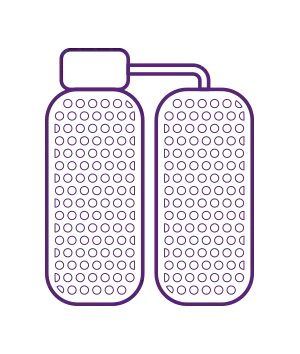
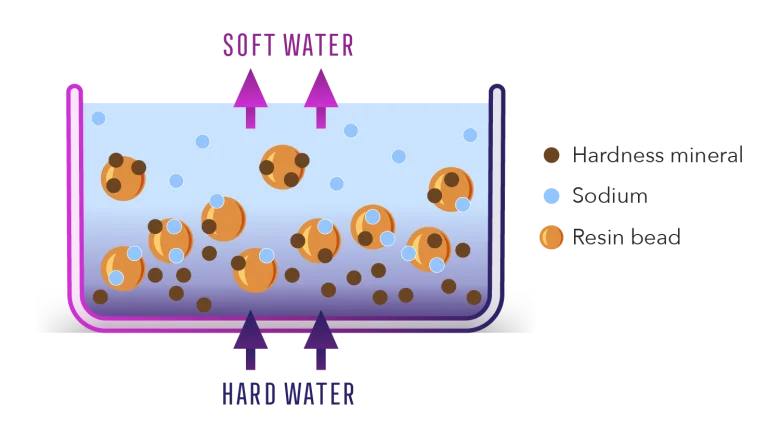
Water softeners use a process called ‘ion exchange’ to remove the calcium and magnesium minerals from your water as it enters your home. As the hard water passes through a tank filled with tiny resin beads, the calcium and magnesium minerals stick to the resin particles and the water is ‘softened’. Once the tank is full of calcium and magnesium minerals, it is cleaned with a brine solution (salt dissolved in water), which is flushed down the drain – it does not enter your water supply. The beads are then rinsed with soft water to ensure there are no traces of salt. The water softener is now ready to continue softening your hard water.
Electric Vs Non-Electric Water Softeners
The water level needs to be lowered so the block is only slightly submerged. Most water softeners have only one tank connected to a computerised or mechanical timer. The timer controls when the regeneration process should take place, usually at night. Water softeners with two tanks are more efficient because they regenerate when needed – and not when the timer dictates. Installing a two-tank water softener is the only way to guarantee a non-interrupted supply of soft water.
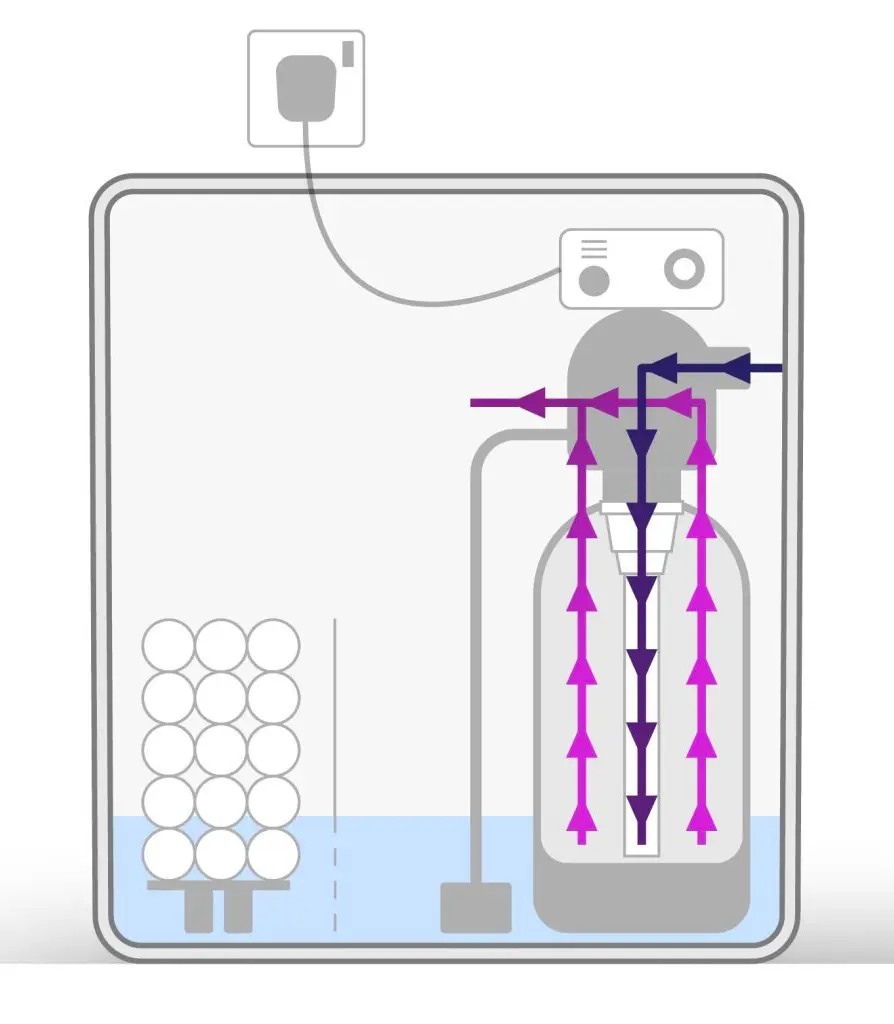
Electric, single-tank water softener
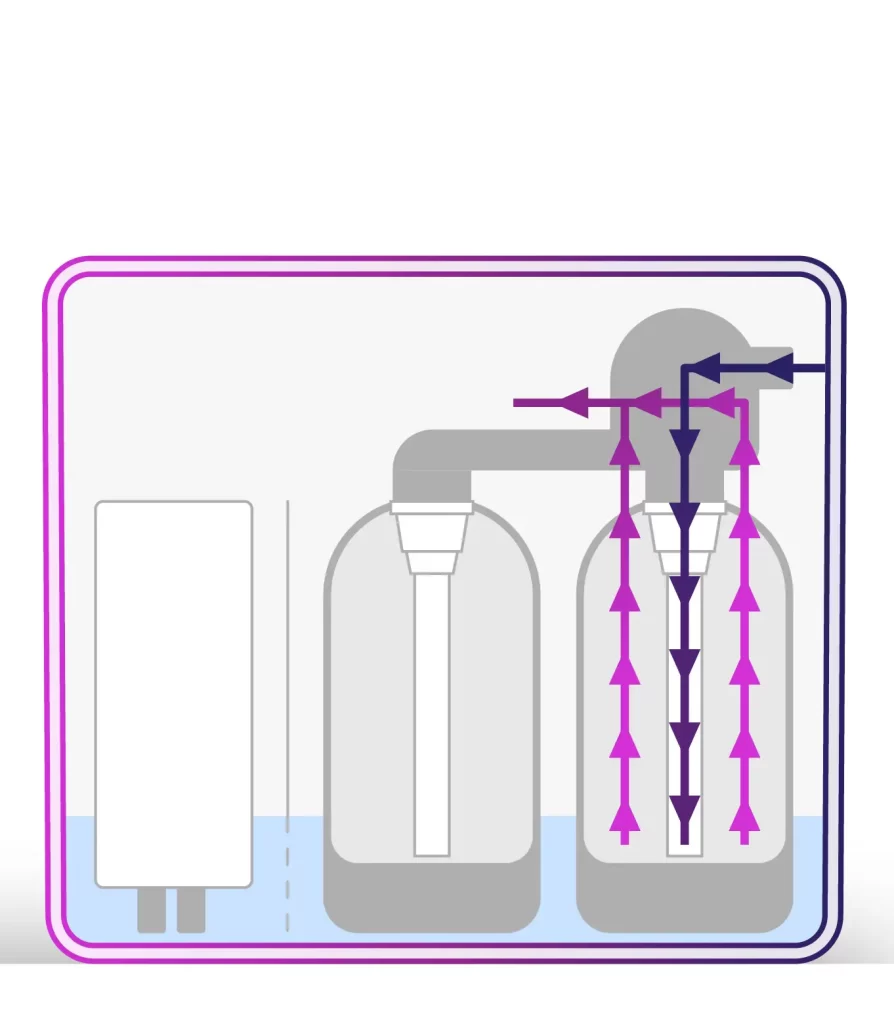
non-Electric, twin-tank water softener
Buyer's Guide to Water Softeners
4 things every water softener shopper should know
To help you make the right decision, we’ve put together a short guide to simplify the jargon and also what to look out for when considering which solution is best for you.
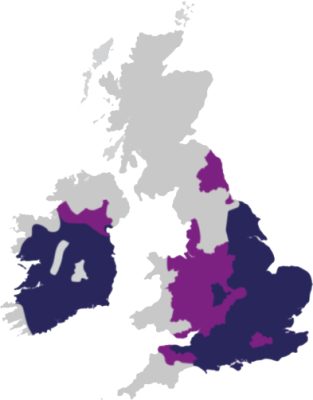
Discover if your postcode is in a hard water area
Want to know the water hardness score for your area? Simply enter your postcode and immediately get the results.
Find out how hard your water is
Busting the myths about water softeners
Not everything you read or hear is always accurate, and several myths about water softeners exist. Look through the questions and answers to debunk the misconceptions.
Can I really use 42% less laundry detergent?
Yes, this is stated on most detergent product packs that if you have softened water you can use substantially less detergent in your wash. The reason why you use less is because soft water lathers much better than hard water, and the wash is not compromised by the minerals in hard water. Find out all the benefits soft water can have on your laundry here.
Can I drink softened water?
Yes, softened water is safe to drink. However, there may be situations when people are recommended not to if their health requires that their salt intake be closely controlled. This is due to the fact other water softener products do not use a final soft water rinse cycle, which clears any remaining salt in the tank. Our water softener tanks run a secondary soft water rinse cycle to get rid of as much salt as possible. This significantly lowers the possibility of salt entering your drinking water.
How much will a water softener cost to run?
For a typical family of four, the running cost of an Infinity water softener is around £12–£14 per month.
An electric water softener will cost considerably more to run due to electricity usage and less efficient salt consumption.
Is My plumber correct in saying I can’t fit a water softener as it will damage my central heating system?
No, this is not correct. You can use softened water in your heating system; however, the British Standard 7595:2006 requires a corrosion inhibitor. Find out all the benefits soft water can have on your boiler and appliances here.
I’ve heard that using a water softener will make my water taste salty, is that true?
No, not with Infinity Water Softeners. Part of the tank self-cleaning process involves a secondary soft water rinse. This ensures the level of salt entering your drinking water is minimal if any at all. In fact, there is more salt in a glass of milk than there is in softened water. That said, some people notice a difference in taste and prefer drinking hard water. If this is you, the simple solution is to have a bypass for hard water to flow directly to a drinking tap. With this, you can add an Infinity water filter cartridge under the sink that will work like a Brita filter, freeing up space in the fridge, along with being better for the environment and also more cost-effective.
SOFT WATER BENEFITS
FIND OUT THE DIFFERENCE IT CAN MAKE TO YOU
SEE OUR RANGE
FIND THE WATER SOFTENER FOR YOU