










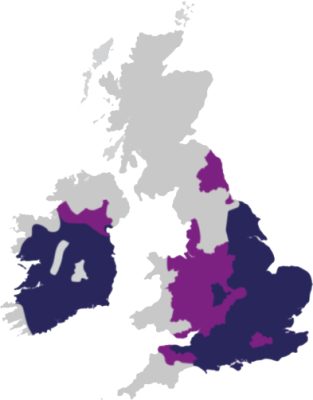
Hard water is a common issue for 60% of households in the UK, it’s a constant problem that only gets worse if left untreated. It can be the root cause of many appliance failures and repairs, cause boilers to lose efficiency, create excessive cleaning to remove scale build-up, as well as contribute to dry hair and skin. Some homeowners know they have hard water, often feeling helpless or frustrated by the daily battle to prevent it, while others are aware of these issues, but do not associate their water supply as the cause.
What is hard water?
Water is naturally soft when it falls from the clouds as rain. What makes it hard is when the soft rainwater flows through bedrock, such as limestone. As the water seeps in and travels under the ground, calcium and magnesium minerals are absorbed. It is here where the water goes from being soft to hard as it collects these minerals. The hardness of the water depends on the concentration level of the minerals absorbed by the water. The more minerals the water contains, the harder the water will be. The harder the water, the greater the detrimental impact it will have on you and your home. Depending where you live in the UK will determine the hardness of your water.
Why do some households get hard water and not others?
A frequently asked question is why some regions get soft water while others are supplied hard. This is due to where your domestic water is supplied from. If you’re fortunate enough to live in an area where the rainfall stays on the surface due to the type of rock, no minerals can be absorbed. However, in areas where the rainfall enters the ground, the water is exposed to the minerals within.
The visible signs of hard water in your home
The presence of hard water and limescale in households can lead to various visible signs, adversely affecting appliances, surfaces, and your body. If you experiencing similar issues as listed below, a water softener can resolve the negative impact hard water has.
White residue on taps, fixtures and surfaces
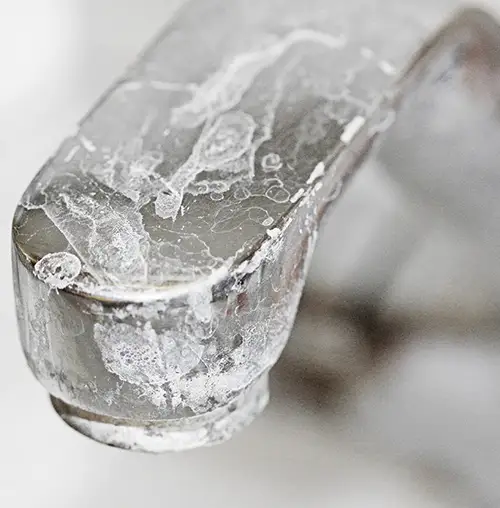
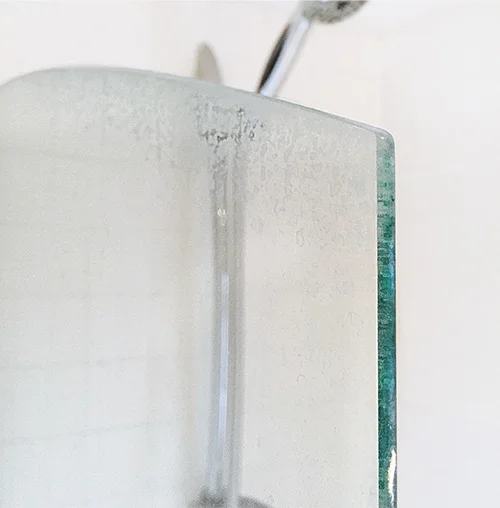
One of the most obvious indicators of hard water is the white, chalky residue left on taps, showerheads, fixtures, and surfaces such as shower screens. This chalky coating is limescale build-up, and it gets worse over time as water evaporates.
Marked or cloudy glassware and dishes
Hard water leaves spots of residue, dulling glassware and dishes after they have been washed. You’ll notice this as dried-on droplets. These spots are caused by mineral deposits that remain on the surfaces after the water has dried.
Scale build-up in appliances
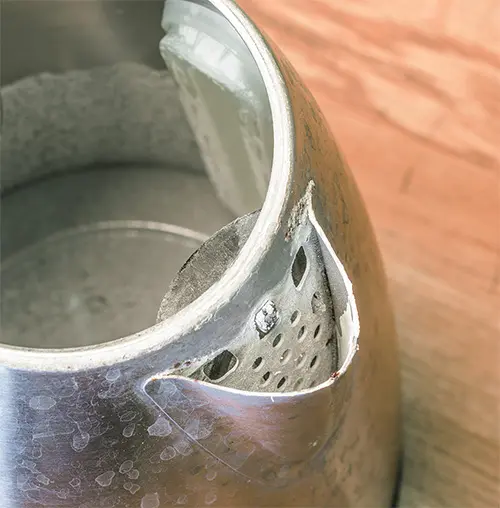
Kitchen appliances that use mains water, such as kettles, coffee makers, dishwashers, and washing machines can develop scale build-up on internal components. In some of these products, you will be unaware of the damage as it’s hidden from view, whereas in a kettle you will see the evidence of the scale inside and around the heating element. This accumulation reduces their efficiency leading to increased energy consumption.
Clogged showerheads
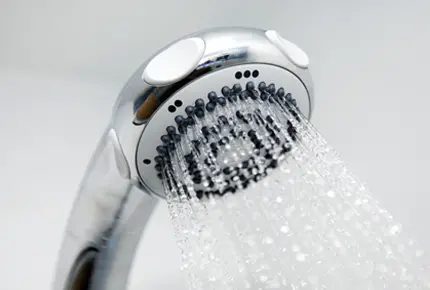
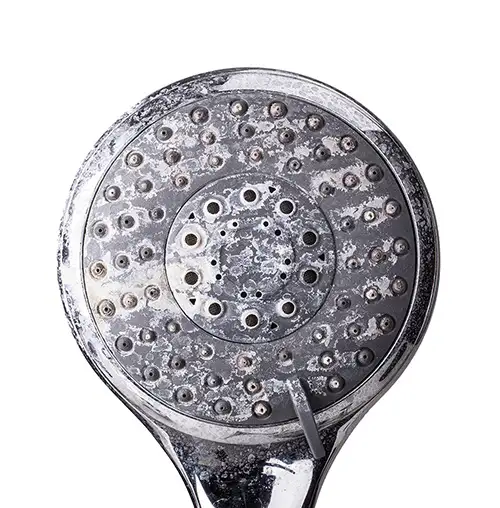
Limescale from hard water accumulates in the showerhead, blocking the small openings, resulting in reduced water flow and uneven spray patterns. You’ll also notice the white residue on the outside of the head.
Hot drinks film and cup scum
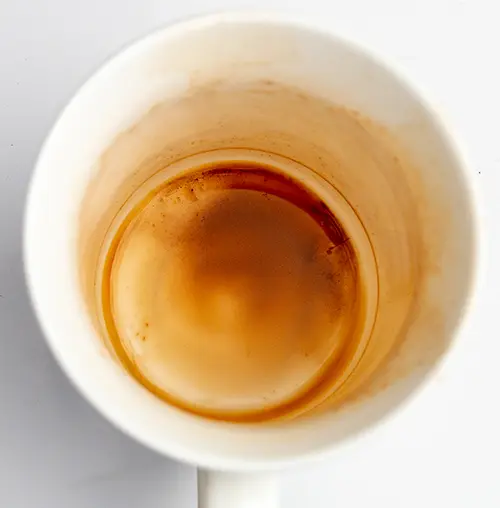
An unsightly result of hard water is the cup scum or film that forms on tea and coffee. This is the calcium bonding to the compounds in tea and coffee. As they bond the film forms leaving the evidence around your empty cup. It can be very off-putting, tainting the taste and the aroma.
Course and dull laundry
Hard water impairs the performance of washing detergents. It combines with the soap forming a chalky scum that inhibits foam from forming and is difficult to rinse off. The residue left on the washed laundry dries on the fabric making it feel itchy and rough, whilst also dulling the cloth’s appearance.
Scale rings in baths, sinks and toilets
With time, if left untreated, hard water leaves behind limescale that accumulates on the surfaces of baths and sinks, forming unattractive scale rings.
Discover if your postcode is in a hard water area
Want to know the water hardness score for your area? Simply enter your postcode and immediately get the results.
Find out how hard your water is
SOFT WATER BENEFITS
FIND OUT THE DIFFERENCE IT CAN MAKE TO YOU
SEE OUR RANGE
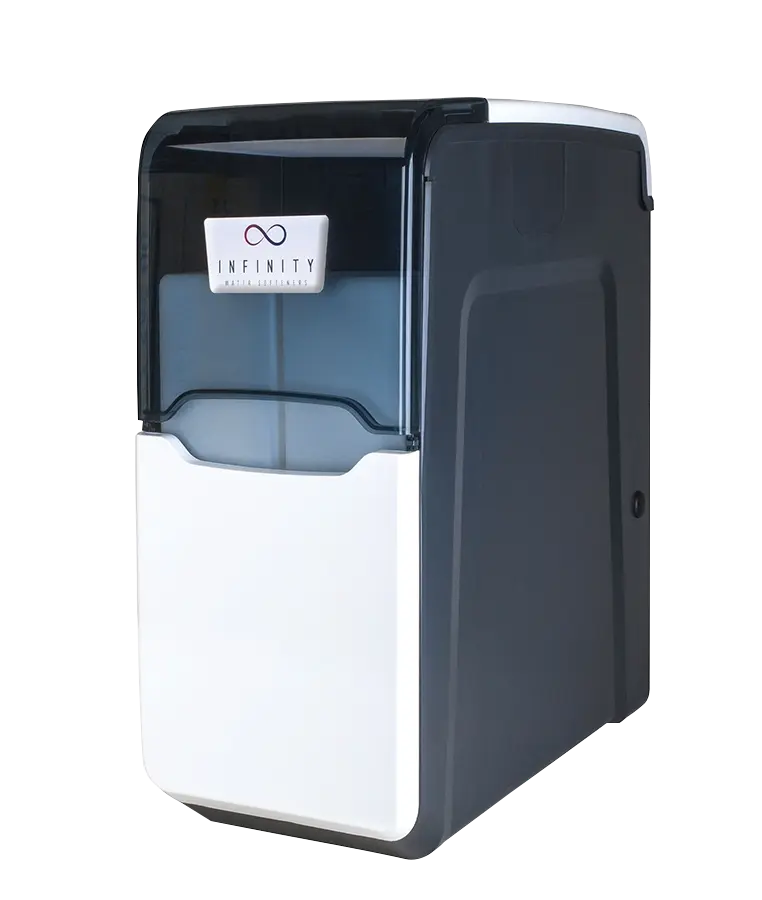
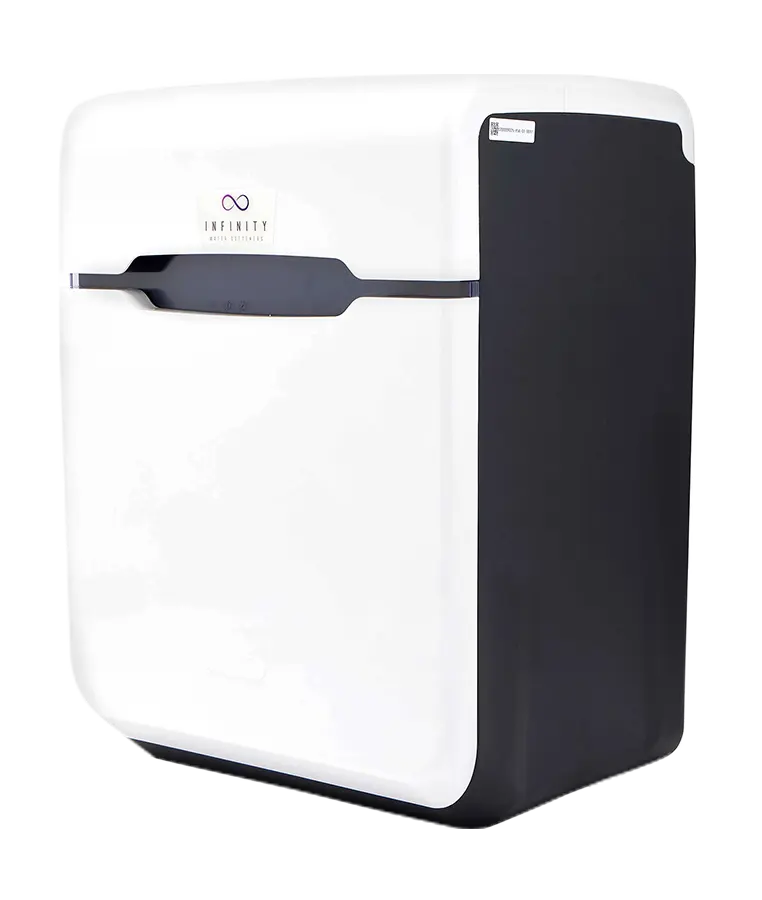
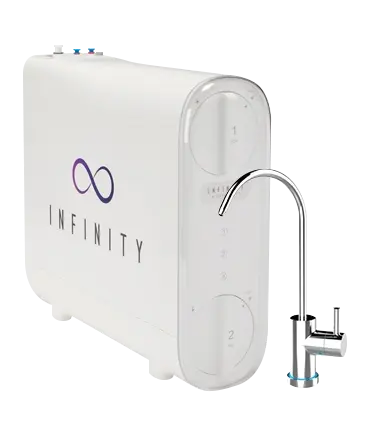
FIND THE WATER SOFTENER FOR YOU